
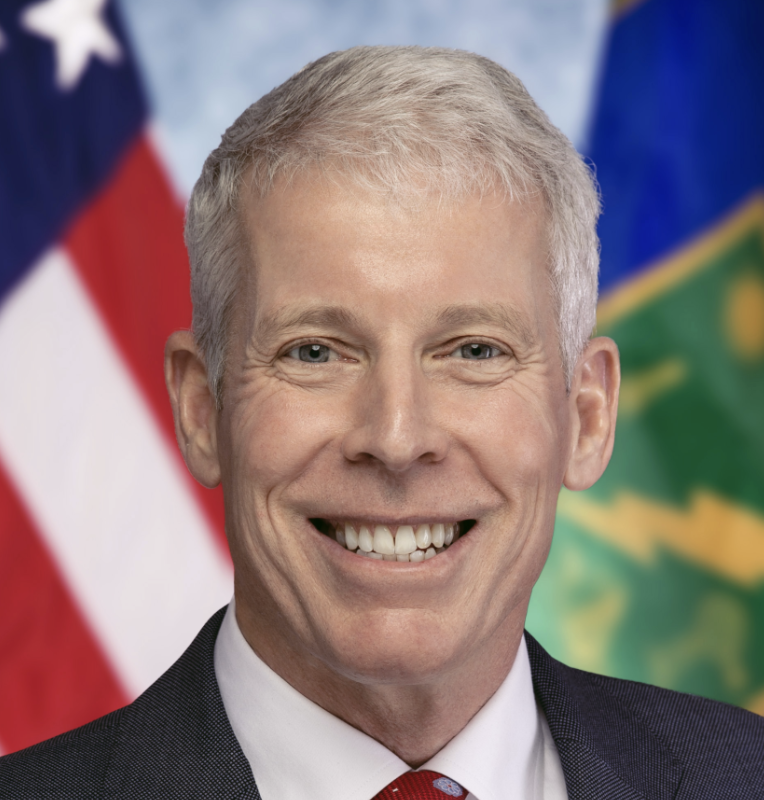
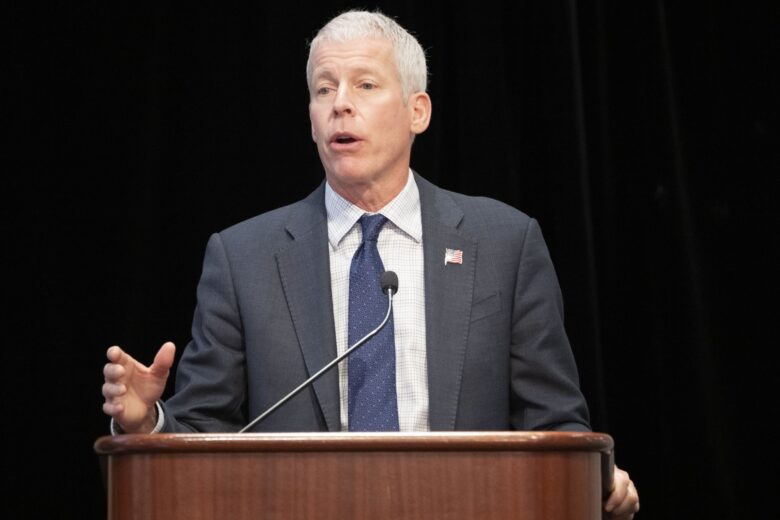
Energy Secretary Chris Wright spoke to the National Petroleum Council on December 3rd at their presentation of two studies offering solutions for increasing energy production and electricity reliability. Excerpts from his remarks are below:
I always say to people — I can say without a doubt — energy is the most important industry in the world by far, because every other industry wouldn’t be remotely close to what it is today without energy. Affordable, reliable, secure energy literally makes the world go ’round, allowing us to live long, healthy, opportunity-rich lives.
So, I’ve been frustrated most of my career to see politics — and not just looking at math and numbers — seep into energy, leading to tremendous destruction to the quality of life.
We spent 25 years not growing our electricity production very much, maybe 1 percent a year. Does that sound American? One percent a year growth in energy and electricity? And it’s electricity that’s going to drive artificial intelligence. Americans are frustrated with the rise in electricity prices. They went up a lot, but they shouldn’t have.
By far, our biggest source of electricity is natural gas. What’s the price of natural gas done over the last 20 years? It’s gone down like a stone.
The next biggest source of electricity is nuclear. What’s the price of uranium done? It’s gone down. What’s the price of coal done? It’s gone down.
We have an increase in electricity prices because of political decisions, policy decisions. It was a choice, not an unfortunate event or scarcity problem. Political choices drove the price of electricity up.
Wood was the biggest source of energy on the planet throughout all of human history, until about 1900. We had coal as the largest source of energy for several decades, probably through World War II. And then coal was passed by oil, and oil has been the largest source of energy in the United States — and globally — for many decades.
Today, oil and natural gas are about 72 percent of total U.S. primary energy, the highest percentage ever. And yet nobody wants to go study petroleum engineering because they’re going away, ‘they’re going out of business.’
I’m like, ‘They’re at a record high in quantity and in market share, and both are growing. So maybe they’re not going away.’
In Germany, oil and natural gas are about 74 percent of energy use. In the United Kingdom, 75 percent of its energy is from oil and natural gas. And I think Italy’s at the top of the heap at 76 percent.
They don’t tout those facts very much, but those are the numbers.
Now, that’s a little unfair, because their energy policies, I would say, have been so poor and they’ve driven up costs so much that their total energy consumption has declined. They’ve offshored so much that their energy pie has actually shrunk.
The National Petroleum Council matters. Oil and natural gas, together with coal, are what power the world.
I love coal. It’s the largest source of global electricity since we started collecting data around 1900. It’s 125 years at the top of the heap, and for decades more, it will be at the global top of the heap for electricity production.
But in rich countries that have built infrastructure, natural gas has displaced coal as the biggest source of electricity. So oil and natural gas — the petroleum industry — matters massively. We need it to build smart infrastructure and have smart policies and deliver these products as efficiently as you can, which impacts the economic opportunities for Americans.
We got into some ruts by not having open, honest conversations about environmental issues in oil and gas and infrastructure.
My goal, the Trump administration’s goal, is to be open, transparent and discuss all of these trade-offs. To discuss these things so we can have a more rational view.
We don’t want to deindustrialize the United States. We don’t want AI, like the other energy-intensive industries, to go overseas. We don’t want to keep exporting job opportunities for Americans. We actually want to grow opportunity and prosperity right here.