

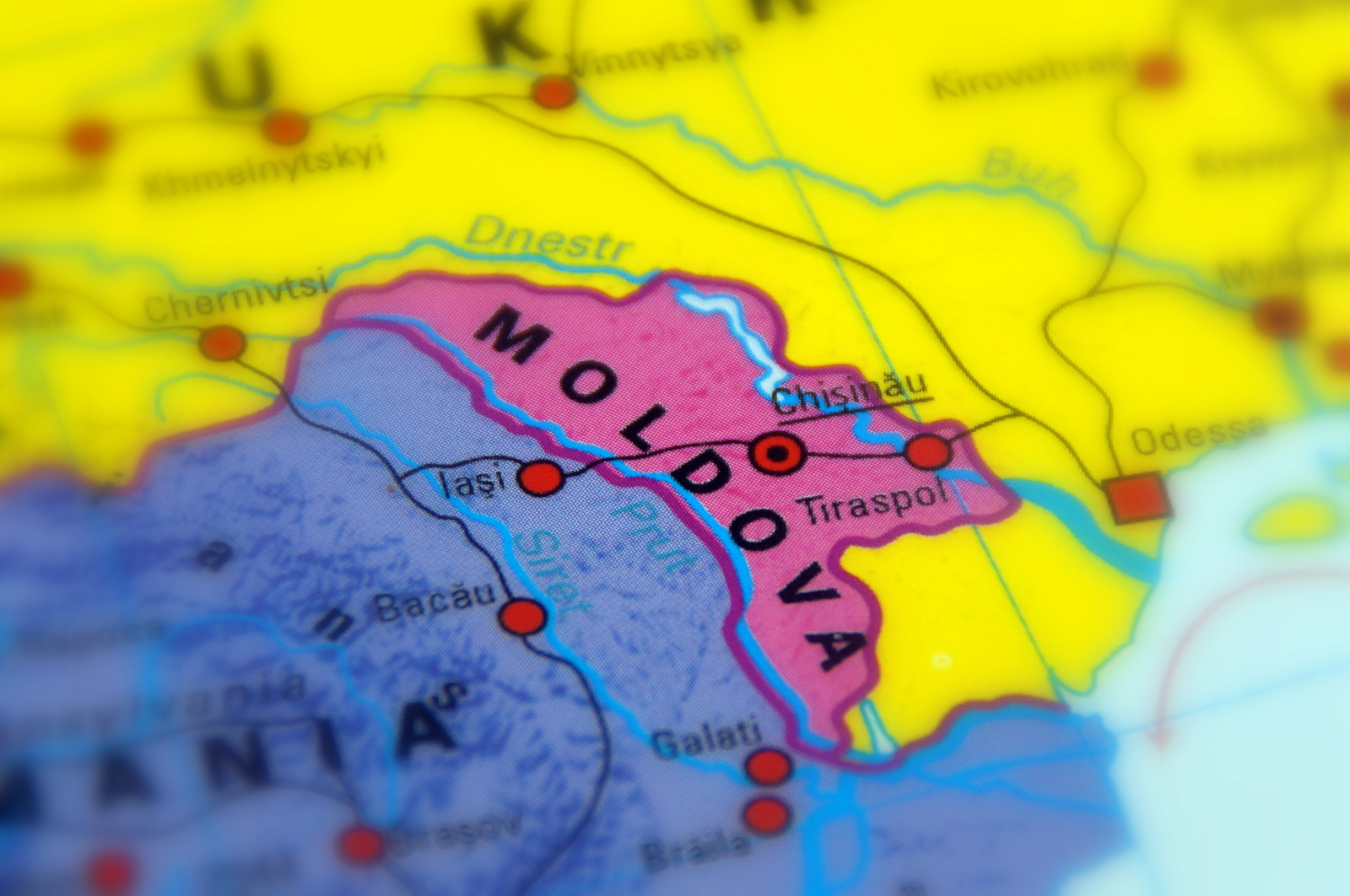
As the United States pulls further away from global affairs, dismantles its foreign assistance apparatus and becomes increasingly isolationist, Russia has been hard at work perfecting its interference playbook on the battlefield of Moldova’s Sept. 28 parliamentary elections.
The small Eastern European country has become a testing ground for Russia’s most sophisticated tactics in undermining democracy, stopping European Union expansion in the region and expanding its own sphere of influence. Cryptocurrency-financed vote buying, weaponized clergy and online disinformation campaigns are all being used to control election outcomes in Moldova. What Americans must remember is that what works in Chisinau does not stay there. Moldova is, in effect, a laboratory for Russian malign interference, and these destabilizing tactics will be exported for use in other nations as Vladimir Putin fights to keep and expand his influence in the region and beyond, including the United States.
Russia’s goal isn’t necessarily to win the election outright. It’s to destabilize Moldova enough to force early elections, break the pro-European coalition in parliament and indefinitely postpone implementation of the reforms required to join the European Union, thus closing the window of opportunity for Moldova’s EU accession. In other words: delay reforms, sow chaos and reassert Russian influence — all without firing a shot.
Democracy and national security experts and Moldovan officials alike describe the election as existential. Russia views Moldova as a toxic nation in its orbit, considers its westward drift a significant threat and is investing heavily to stop it. One high-level Moldovan official put it bluntly: “The only competitor in this election is Russia … once you take money from Russia you will never be free.”
European officials understand what’s at stake. While the United States has dismantled USAID, cancelled most foreign assistance funding, and halted longtime security assistance programs for Europe, European organizations are providing technical assistance and deploying election observers. But the interference attacks are multiplying faster than resources can contain them.
Investigators have identified more than 130,000 cases of vote-buying using cryptocurrency over the past year, and analysts estimate that Moscow is spending more than 35 million euros to influence Moldova’s elections. AI-generated propaganda is pervasive, spreading targeted disinformation via deepfake videos that are almost impossible to identify as AI. Blatantly false narratives are intended to sow fear of a loss of national identity and mistrust in the current government and its path toward EU accession.
Russian-created content floods TikTok and Telegram, promoting destructive and discriminatory false narratives that erode trust in Moldova’s leaders and democratic institutions. One common message warns voters that EU integration will destroy Moldovan traditions and culture, while others make bizarre claims about President Maia Sandu. These narratives aren’t only crude, they’re effective. Studies show Moldovans increasingly rely on social media for news, but trust in public institutions remains low. Russian influence operations are tailored to exploit that gap, reaching specific audiences with precision.
Even Moldova’s Orthodox Church, the most trusted institution in the country, hasn’t been spared. A number of priests have reportedly traveled to Serbia under the guise of a pilgrimage for training with Russian clerics, returning with orders to spread Kremlin-friendly messaging. Many of these priests are not ideologically aligned with Russia but are financially motivated, taking payments from Russian officials in exchange for their vocal support.
Moldova is fighting back, though with limited tools. The Central Electoral Commission has upgraded its cyber defenses and is working with international partners to improve transparency and legal safeguards. Civil society groups have stepped up voter education efforts, and some Moldovan influencers are countering disinformation with social media campaigns and comedic education efforts, known as “infotainment.” But officials acknowledge their capabilities are strained.
Officials expect further disruption on Election Day: bomb threats, targeted power outages and provocateurs instigating violence to discourage voter turnout. Russian activists are also laying the groundwork to discredit the outcome if pro-Kremlin parties lose. Already, social media channels and fringe news sites are pushing narratives about rigged ballots and fake turnout numbers.
Many Moldovans, meanwhile, are simply exhausted. Local voices are hijacked and drowned out by foreign interference, and years of economic hardship and unfulfilled reform promises have left voters cynical and disengaged. By controlling the information and further disengaging voters, Moscow controls the election and the country without the need to invade.
Moldova is where tomorrow’s interference is being rehearsed. What works in Chisinau will also be deployed in Iowa, New Hampshire and South Carolina. The front lines of democracy are shifting, and the United States cannot afford to treat Moldova as a peripheral concern. Supporting Moldova’s democratic resilience is not charity; it is an act of self-defense. Every lesson Moldova learns about countering foreign malign influence benefits democracies worldwide.
What can America do? First, reinstate support for election monitoring and transparency initiatives in Moldova. U.S. technical expertise in cyber defense and financial tracking can be shared with Moldovan institutions. Second, invest in media literacy focused on recognizing and combating malign influence and disinformation, both in Moldova and the United States. Finally, recognize Moldova’s European trajectory as part of our own security interest.
Defending democracy in Moldova is, in the end, defending democracy at home.