
President Trump has delivered on his campaign promise, raising U.S. tariffs to their highest level in decades. While the economic impacts are still unfolding, American consumers should expect to pay more for a variety of goods, including cars, appliances, shoes, and produce. These higher prices will cause some consumers to look for cheaper alternatives, opening the door for counterfeiters to take advantage of unsuspecting shoppers.
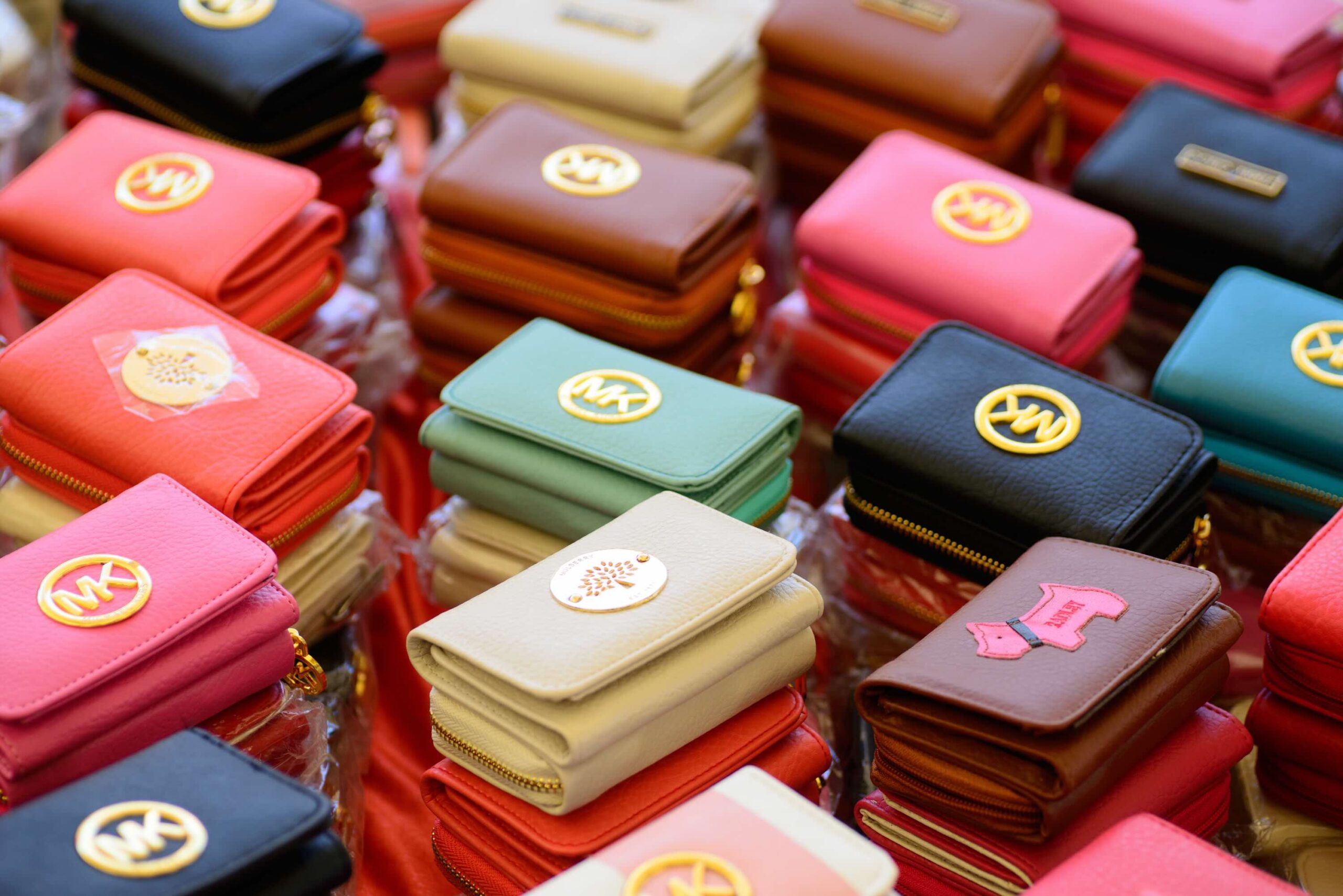
Counterfeiting is a huge problem. Around $2 trillion of counterfeit products are sold each year. At its most dangerous, such as fake medications, counterfeiting can cause death. In less serious cases it still erodes consumer trust, destroys brand value, and reduces U.S. tax revenue, forcing the rest of us to pay more taxes.
Trump’s tariffs will make the counterfeiting problem worse. He initially levied tariffs on 60 countries across the globe, with rates ranging from 49% on imports from Cambodia to 10% on those from Peru. Many of the biggest exporters of clothing, shoes, and other apparel were hit by Trump’s tariffs, including China (34% rate), Vietnam (46%), and Bangladesh (37%). The highest tariffs have been delayed until July 9th, but countries still face an across the board 10% tariff and higher tariffs on steel, aluminum, and autos.
These tariffs will increase the prices of genuine clothing, shoes, and other apparel that flow through U.S. ports, but they are less likely to impact counterfeit products that often don’t come through official channels. Unlike the genuine stuff, counterfeit goods are more likely to be smuggled in or rerouted through countries that face lower tariff barriers.
For example, fake Nikes made in Vietnam, which is also where many real Nikes are made and is being threatened with a 46% tariff, could be illegally routed through nearby Malaysia, which may only get a 24% tariff, before coming to America. If discovered, this behavior would likely lead to additional sanctions from U.S. trade officials. Counterfeiters, however, are already lawbreakers, so they are unlikely to be deterred. Meanwhile, Nike has a reputation and shareholders who do not want their company on the wrong side of the law, so they will pay the higher tariff. The end result is that the counterfeit product is now even cheaper relative to the genuine product than before the tariff was in place, which will increase demand for counterfeit products.
Tariffs, and the bigger trade wars they are part of, also deter collaborative efforts to reduce counterfeiting. In the recent past, China and the United States worked together to combat trade in counterfeit goods. This cooperation was strained during Trump’s first-term trade war with China, and his new tariffs are likely to further erode these efforts. Less cooperation from China will make the job of American officials tasked with combating counterfeiting all the harder.
Absent government cooperation to fight counterfeiting, private companies will be forced to pick up the slack. Counterfeiters often leverage e-commerce platforms to sell their products since it is difficult for customers to verify their authenticity through a screen. This puts pressure on platforms themselves to handle verification. For example, StockX, an e-commerce marketplace that specializes in sneakers, has rejected more than $600 million worth of merchandise, including $80 million of fake sneakers. Identifying counterfeit goods is time-consuming and costly, but companies like StockX will likely need to do more of it so long as the tariffs remain in place.
Marketplaces like StockX could use help from the big brands. Unfortunately, big brands and marketplaces have a long history of finger pointing when it comes to fighting counterfeiting, a dynamic that has recently spilled over into court.
In a case playing out later this year in the Southern District of New York, Nike alleges that StockX has willfully facilitated the sale of counterfeit sneakers and falsely advertised its efforts to verify the authenticity of goods listed on the platform. Such accusations tend to undermine cooperation and hinder efforts to protect consumers from counterfeiters.
To its credit, StockX has invested millions of dollars to protect consumers from counterfeit products. It partners with law enforcement when appropriate and employs trained professionals to hand-verify products. It is impossible to catch everything, but StockX makes a real effort to identify counterfeit products. In fact, according to court filings, Nike previously recognized StockX’s efforts to fight counterfeiting and collaborated with it to verify products. Nike even directed customers to StockX as a way to find sold-out products.
Trump’s tariffs are likely to boost counterfeiting and undermine government cooperation to fight it. This means the private sector is on its own. Counterfeiting is too big of a problem for any one company to solve, so companies like StockX and Nike should work together. If they continue to fight instead, consumers will be the biggest losers.