
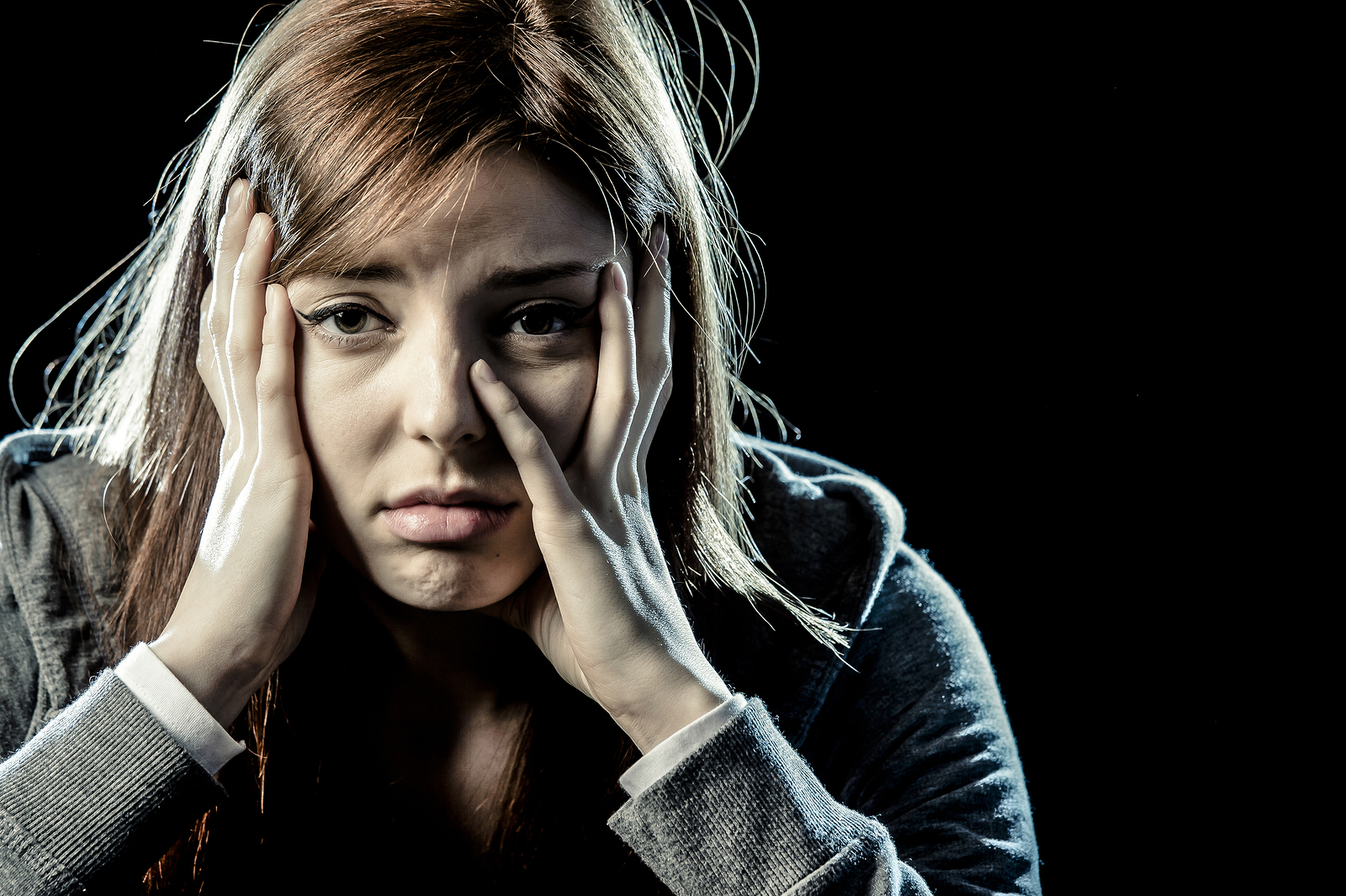
With the world watching, Americans on July 13 witnessed the first attempted assassination of a prominent U.S. politician in 43 years. Images broadcast repeatedly have beamed the event directly into our homes and smartphones, transmitting distress and anxiety to millions.
This event creates psychological reactions comparable to a major catastrophe in individuals and communities, with the added effect of shaking our sense of stability to its foundations.
Americans are losing their sense of safety, and the recent assassination attempt has further destabilized the psychological situation against an already uncertain backdrop.
According to a recent American Psychiatric Association poll, anxiety levels among Americans are rising. In 2024, 43 percent reported feeling more anxious than last year, with 73 percent reporting anxiety over the 2024 elections and 69 percent reporting anxiety about gun violence.
They feel a loss of control and wonder where to look for help. As psychiatrists who support those affected by disasters, we believe there are ways to understand what is happening, actions we can take to contain and mitigate adverse outcomes, and, most of all, offer hope.
Individuals and communities respond in predictable ways after extreme events. Understanding how each of us is doing helps us anticipate what is next. Understanding our reactions and drawing upon best practices allows us to find ways to take control and feel better.
If you feel anxious about current events, it is understandable; we hear you, and it will be OK.
The American Psychiatric Association’s “Coping After Disaster” provides just-in-time resources. While most people respond resiliently and return to their prior level of functioning following disasters, it’s essential to understand what normal responses are expected and when to seek additional evaluation and assistance in the face of the confusion and uncertainty that follows traumatic experiences.
For example, it is common for adults and children to experience changes in sleep during distress. Adults can help children and teens cope by providing age-appropriate information, providing reassurance that people are helping keep the community safe, spending time together as a family, encouraging healthy ways to relax, re-establishing routines to the extent possible, staying connected with friends, and encouraging question asking without forcing conversation.
These are a few useful steps we can take during crises and disasters.
In disaster psychiatry, we apply “Psychological First Aid” principles in the aftermath of extreme events to reduce distress and help people recover. PFA incorporates five essential tasks: establishing safety, promoting calming, reinforcing self and collective efficacy, building connections with others, and instilling hope.
In the aftermath of political violence, we can apply those PFA principles to help reduce our temperature and find a more even keel. For some, finding safety and calm might entail dialing down their engagement in a relentless news cycle, limiting our exposure to distressing images, and reminding ourselves that we are, in fact, safe.
Self- and collective efficacy come from engaging in and being part of our political process. Action is the antidote to despair. However, promoting collective efficacy should not contradict the necessity of connection and community. “Us versus them” is not as constructive as “all of us.”
Finally, we should acknowledge the long arc of American history and progress as a source of hope. Despite our internal conflicts, we somehow find a way to stay strong and unified as a nation.
As psychiatrists, we know that for some, the distress is great, and the need for help is beyond these principles. Individuals experiencing heightened distress can reach out to the 988 Suicide & Crisis Lifeline by calling or texting 988.