
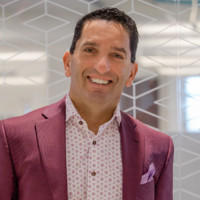
I spent 25 years in the pharmaceutical and healthcare innovation ecosystem. I’ve built AI systems for patient care, led brand strategy for global companies, and worked across every dimension of our industry’s complex machinery. I have no political agenda and no government contracts.
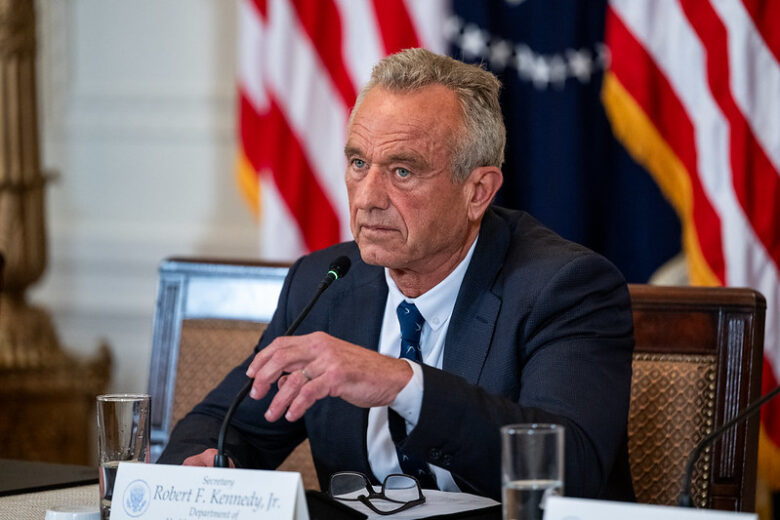
That independence allowed me to do something most pharma executives won’t: attend the MAHA Summit in Washington on Nov. 12.
What I found there should alarm every pharmaceutical leader, not because the movement is dangerous but because we’re letting one of the most significant healthcare conversations in a generation happen without us.
Pharma’s strategy toward MAHA has been simple: ignore it, dismiss it, or quietly hope it goes away. We tell ourselves these are fringe actors, anti-science extremists, conspiracy theorists.
It’s a convenient narrative that lets us stay comfortable in our echo chambers, talking only to people who validate our worldview.
That narrative is dangerously wrong.
The people I met at the MAHA Summit weren’t fringe. They were parents frustrated by bureaucratic indifference — and clinicians exhausted by regulatory theater and technologists who know our systems lag decades behind modern capability.
These are millions of Americans — voters, patients, healthcare workers — whose concerns will shape policy whether we participate or not.
And here’s what should terrify pharma leadership: they’re not wrong about everything.
The MAHA movement’s core concerns — regulatory delays, opacity in approval processes, overmedicalization, glacial innovation timelines — are complaints we voice privately in every conference room and strategy session.
We know the FDA needs modernization. We know AI could automate vast swaths of regulatory review tomorrow. And we know patients wait unconscionably long for treatments that technology could accelerate.
The difference is that the MAHA folks are saying it publicly, and we’re pretending not to hear them.
Yes, MAHA includes people with views I don’t share, but so does any significant movement. The majority of people I encountered were motivated by genuine experience with healthcare’s failures, and are demanding accountability, transparency and the freedom to ask hard questions without being dismissed as cranks.
Those are not unreasonable demands. They’re the foundation of good science.
When I arrived at the summit, I expected to experience resistance as someone from inside pharma. Instead, Mehmet Oz was thoughtful and pragmatic in conversation. MAHA Action president Tony Lyons was gracious and willing to make connections to leadership and volunteers. Senior officials took time to explain their thinking, their frustrations and their goals.
They were open to dialogue. They wanted expertise. They welcomed my perspective.
We can’t keep responding to that openness by not showing up.
Regulatory reform is coming. PBM restructuring is coming. AI integration into healthcare is coming. Patient empowerment models are coming. These debates will define the next decade of American healthcare.
The only question is whether we’ll have a voice in shaping them.
The change window is now. Millions of Americans are listening to MAHA voices, and their concerns are reshaping the political landscape. Every day that pharma chooses silence is a day we cede the narrative to others — some credible, some not, but all filling the vacuum we’ve created.
This isn’t about agreeing with everything MAHA proposes. It’s about recognizing that movements grow out of legitimate grievances that institutions failed to address. When patients feel unheard, they find other people willing to listen.
MAHA supporters are asking for faster approvals without compromising safety, for transparency in regulatory processes, for prevention-focused care models, for patient agency in treatment decisions. These align with what many of us are already building, if we’re honest enough to admit it.
We can’t fix healthcare by talking only to people who agree with us. The MAHA community is open, engaged and focused on patients. They want dialogue. They want solutions. They want partners willing to listen.
Pharma should meet that openness. The stakes are too high, and the window too narrow to stay on the sidelines.
Change is happening. Pharma must engage if it wants to be a part of it.