


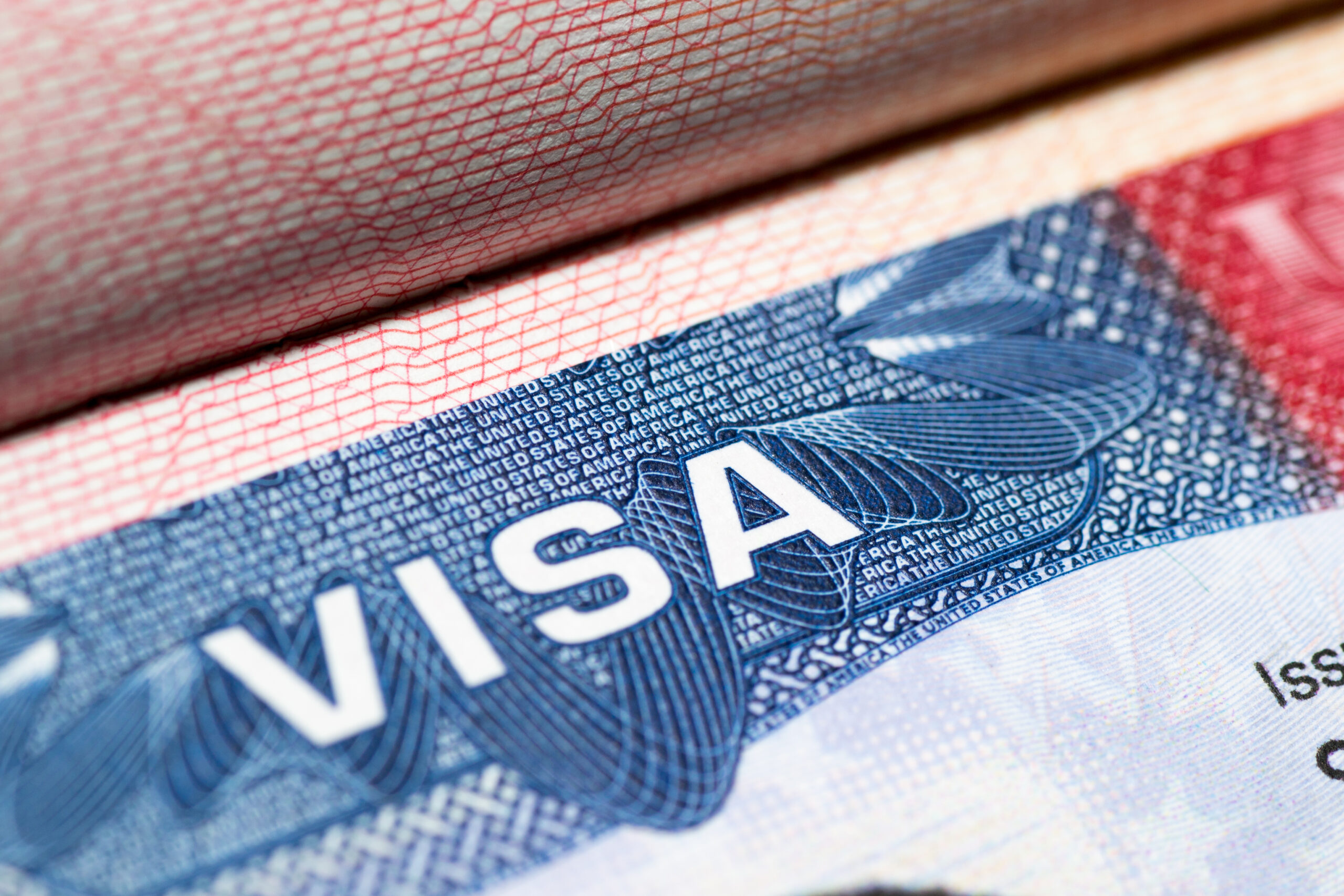
On the day Congress weighed 19 child-safety bills, the State Department told diplomats to deny visas to skilled workers in “content moderation, fact-checking, compliance and online safety,” Reuters reports.
Defending free speech and a free internet are core values where U.S. diplomacy has an admirable track record. This new approach risks counterproductively making life easier for the worst abusers by interfering with the essential work of keeping children and adults safe online.
Trust and safety professionals work across borders at global companies, spending their days (and nights) fighting child exploitation, countering sophisticated scammers and fraudsters, and, in no small part, ensuring their products comply with U.S. laws. For example, they are responsible for reporting child sexual abuse materials to the National Center for Missing and Exploited Children, disrupting the online activity of designated terrorist organizations, and enforcing Treasury Department sanctions on their platforms.
The workers who could be affected by this policy bring expertise in state-of-the-art AI technology and longstanding experience in areas such as child safety, counterterrorism and fighting human trafficking. They frequently work with U.S. law enforcement to report child exploitation, scams targeting the elderly and other criminal activities.
At a moment when concern about kids’ online safety is at an all-time high, and when transformative generative AI technologies need guardrails to prevent harmful misuse, erecting barriers to safety innovation and collaboration is the wrong move.
The State Department is right to be concerned about censorship and the restriction of free speech and other universal rights, which are under threat in many parts of the world, including at home.
Every day, tech companies and their safety professionals face the dilemma of dealing with government orders to remove content. They have spent decades developing human rights-based principles to push back against government censorship, whether from authoritarian or democratic governments, while also complying with the laws in the places where they operate.
Moreover, consider much of the online content that poses a threat to the health and safety of kids: dangerous challenges, unhealthy body comparisons, or bullying that falls short of the legal definition of harassment. Crucially, trust and safety professionals understand that these types of content are — and should be — legally protected expression, which underscores the need for more nuanced solutions.
Historically, the State Department has intrinsically understood this and worked across Democratic and Republican administrations, including the first Trump administration, to support internet freedom abroad, while also pursuing policy priorities and international efforts to fight cybercrime, drug trafficking, child exploitation and terrorist use of the internet.
There is an urgent need for more collaboration between experts at companies, in government, and from civil society to work together to explore how diplomacy can support free expression globally, without undermining the urgent fight against criminals who abuse online services to exploit everyone from children to the elderly.
Protecting people from the very real threats they face online, and upholding human rights, especially freedom of expression, are not mutually exclusive. Nor is this a partisan issue, which is rare these days.
Americans want their kids safe and their bank accounts secure. Denying visas to trust and safety experts puts those fundamentals at risk while giving predators and scammers a leg up. Let’s not mistake the people fighting online abuse for the ones who cause it.