

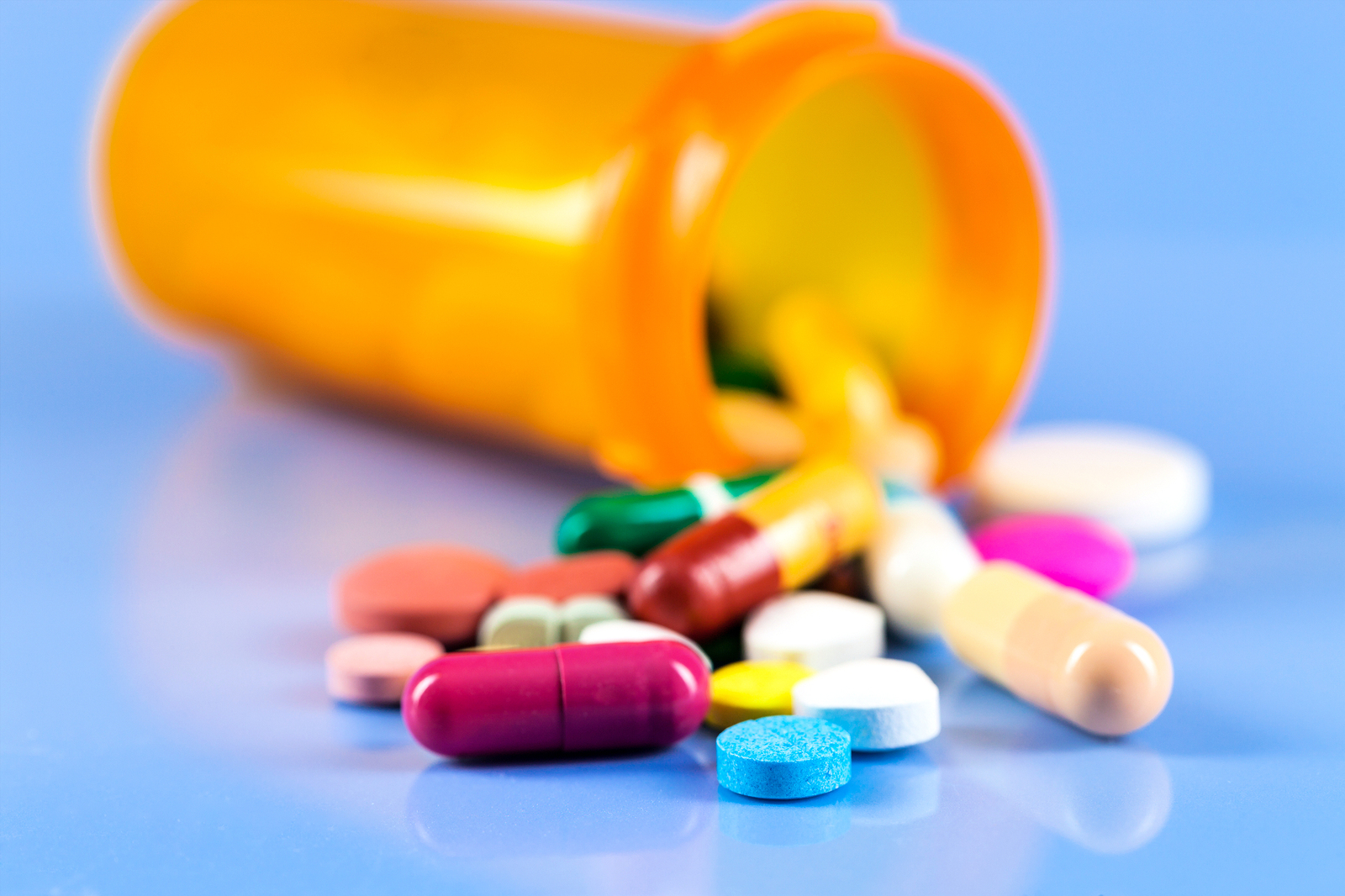
On Oct. 25, individuals across the DMV will once again have the chance to participate in National Prescription Drug Take Back Day — a biannual event that clears thousands of pounds of unused and expired medications out of our homes. In just one day this past April, communities in D.C., Maryland, and Virginia safely disposed of more than 14 tons of prescription medications combined. That’s roughly the weight of a dump truck taken out of medicine cabinets, nightstands, bathroom drawers, and kitchen cupboards across the area — showing how quickly unused, unwanted, and expired medicines can accumulate in our homes.
While Take Back Day offers an important opportunity to safely clear out unused medications, this national event happens only two days per year. Proper medication disposal is a year-round need, and DMV residents should be aware that there are hundreds of free and accessible disposal options available in local communities any day of the year.
As executive director of the Pharmaceutical Product Stewardship Work Group, I oversee MyOldMeds.com, a free and trusted resource for locating more than 32,000 secure medicine disposal options nationwide. There are more than 1,400 verified disposal locations throughout D.C., Maryland, and Virginia, including 72 in the District of Columbia proper and hundreds more in nearby communities. Simply enter your ZIP code in our locator to find disposal locations near you.
These drop-off sites are located in places you might already visit regularly — like pharmacies, clinics, and grocery stores — so secure disposal is always within reach. Beyond drop-off kiosks, many sites also offer prepaid mail-back envelopes or in-home disposal kits, making it convenient to safely dispose of medications on your own schedule.
Across the DMV region, a wide network of accessible, year-round medication disposal sites makes it easier to manage unused or expired medications. But responsible medication management is about more than proper disposal — it starts with responsible use and storage.
First, always use medications as directed by your doctor, and be sure to follow all instructions on the medication label, even for those you may already be familiar with. The label will also instruct you on proper storage for medicines and their expiration date. Storing medications the right way helps keep them safe and effective. Medications should always be stored in a cool, dry environment, shielded from humidity, heat, and direct sunlight. While the bathroom might seem like a convenient spot, the steam from showers can actually shorten a medication’s shelf life. A better bet? Keep them tucked away in a secure cabinet or drawer, and make sure to always keep them out of reach of children and pets.
Just as important as proper storage is staying on top of the medications you have. The FDA recommends reviewing your household medications every six months to catch anything that’s expired, unused, or no longer needed. This simple habit helps keep your medicine supply effective and clutter-free.
Once you’ve sorted out what should go, the next step is safe disposal. It’s important not to flush medications down the toilet (unless they are on the FDA’s approved “flush list”) or throw them in the trash. Instead, opt for take-back programs to dispose of them properly. For most prescription and over-the-counter medicines, the FDA considers take-back programs — like those you can find through MyOldMeds — the safest and most reliable disposal method. Events like the upcoming National Prescription Drug Take Back Day on Oct. 25 offer even more options for disposing of unused medications, and those planning to participate this year can find nearby collection sites using the event’s official locator tool.
National Prescription Drug Take Back Day serves as a valuable reminder to clear out our unused or expired medications — but our commitment to safe medication disposal should last all year. DMV residents have already shown their dedication to responsible medication use — now is the time to build on that momentum. By making safe medicine management a year-round priority, we can all ensure these disposal efforts last well beyond Take Back Day.