

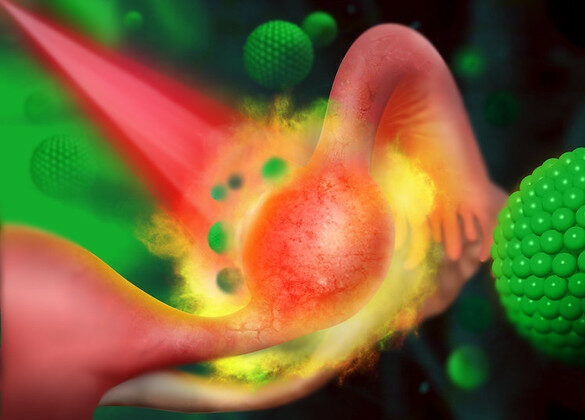
On March 31, the medical community comes together to celebrate World Theranostics Day, honoring a field that is revolutionizing how health professionals diagnose and treat disease, paving the way for more personalized, precise, and effective medical care.
Theranostics uses advanced imaging and targeted treatments to help doctors see diseases at the molecular level and customize care for each patient. By delivering therapy directly to diseased cells while minimizing damage to healthy tissues, theranostics provides precise, targeted treatment while minimizing side effects, dramatically improving quality of life for cancer patients. This is a major leap forward in precision medicine that is transforming care for patients—particularly in their fight against cancer.
A key advantage of nuclear medicine theranostics is its ability to provide therapy directly to the diseased cells, without harming surrounding tissue. This enables physicians to develop highly individualized treatment plans, improving both effectiveness and safety. Additionally, the ability to track the disease in real-time enhances treatment monitoring, allowing for adjustments that optimize outcomes.
Another exciting aspect of theranostics is its contribution to the broader field of precision medicine. Conventional cancer therapies take a one-size-fits-all approach, administering treatments that may not work optimally for every patient. In contrast, theranostics allows physicians to tailor treatments based on the unique biological markers of a patient’s disease, reducing trial-and-error approaches and improving overall outcomes.
Over the past eighty-four years, this patient-centered focus has made theranostics a paradigm shift in how we think about disease treatment.
While the transformative potential of theranostics is clear, it is equally important to ensure these treatments are delivered safely. Nuclear medicine, including theranostic procedures, is one of the most well-regulated areas of healthcare. Extensive safety protocols, guided by rigorous regulatory oversight from government agencies and professional organizations, ensure that radiopharmaceuticals are used responsibly and effectively. These safeguards are essential to maintaining public trust and ensuring that as the field grows, patient safety remains at the forefront of every advancement.
Nuclear medicine professionals undergo specialized training to administer treatments with precision, optimizing radiation dose to maximize therapeutic benefits while minimizing exposure to healthy tissues. Advanced imaging technologies further enhance safety by allowing real-time monitoring and precise dose calculations. These measures ensure that patients receive the highest standard of care with minimized risk. Furthermore, research into new radiopharmaceuticals is continually improving the safety profile of these treatments, making theranostics an increasingly viable option for more and more patients.
Patient education is another critical component of nuclear medicine’s safety framework. Before undergoing any theranostic procedure, patients receive comprehensive information about the process, potential risks, and expected outcomes. This transparency builds trust and empowers patients to make informed decisions about their care. Additionally, clear post-treatment guidelines support recovery and ongoing monitoring. By fostering open communication, healthcare providers help ensure that patients feel confident and well-prepared throughout their treatment journey.
As technology advances, nuclear medicine continues to become even safer and more effective, reinforcing its role as a trusted pillar of modern healthcare. Moreover, continued education efforts within the medical community and beyond are crucial to dispelling myths and ensuring that more patients can benefit from these life-changing therapies.
Theranostics represents the best of personalized medicine as it is scientific, patient-focused, and always improving. It helps detect diseases early and delivers precise, tailored treatments, offering new hope where few options existed before. For patients with serious illnesses, this offers comfort—and for many, a literal lifeline. For doctors, it’s a powerful tool to fight complex diseases with greater accuracy than ever.
The future of personalized medicine is here and advancing every day with theranostics. With ongoing innovation, a steadfast commitment to safety, and an unwavering focus on patient-centered care, we are shaping a healthcare landscape that is more precise, compassionate, and hopeful than ever before.