

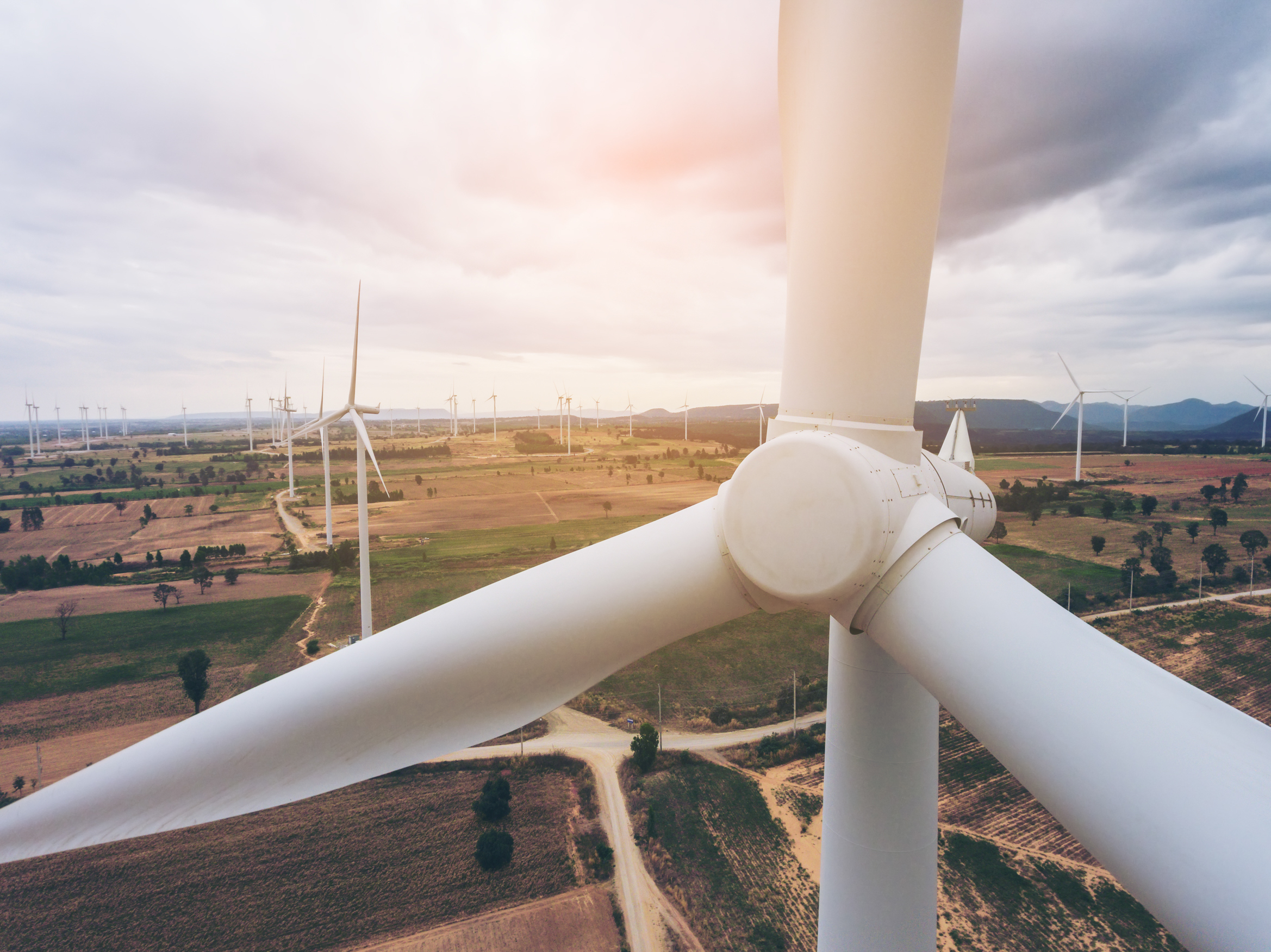
For decades, rural America has powered the nation, representing America’s work ethic, grit and ingenuity. Rural communities and workers are integral to America’s continued success, from fueling the nation through agricultural production to powering homes and businesses through traditional and renewable energy ventures.
However, the White House’s recent executive order halting onshore and offshore wind lease sales and casting uncertainty on existing leases marks an unfortunate step backward that jeopardizes this power and the opportunities for economic growth, energy innovation, and security among rural communities.
Goals such as energy independence and economic stability require a balanced energy portfolio. When federal policies pick industry winners and losers, it undercuts critical investments, job creation and tax revenues that are significant enough to support or derail rural prosperity. This approach sets a troubling precedent regardless of which administration is in the White House.
Energy projects span far beyond installing turbines or wells; they bolster communities by creating jobs and supply chain opportunities. For rural America, energy development has always been about diversifying and securing opportunities. Whether it’s ranchers leasing land for a wind farm, farmers benefiting from expanded energy infrastructure, or business owners seeing increased traffic on Main Street, energy projects generate a positive ripple effect on rural economies in ways that are significant and transformative, with resulting tax dollars funding essential services like education, infrastructure and public safety.
Whether through renewable energy, natural gas or oil, rural America has consistently played a pivotal role in powering the nation. Hindering offshore and onshore wind opportunities risks stalling this progress. Balancing a diverse array of energy strategies that add to, rather than diminish, the U.S. energy portfolio strengthens the economy and reduces reliance on foreign supply chains and markets.
Today, wind power generates 10 percent of America’s electricity supply and is quickly rising. The five states with the most electricity generation from wind in 2023 were Texas, Iowa, Oklahoma, Kansas and Illinois, which combined produced about 59 percent of total U.S. wind electricity generation in 2023. A greater power supply will help meet demand and keep prices in check for individual ratepayers, factories and small businesses.
While offshore wind doesn’t power inland communities, its buildout does help power local economies. For example, a steel plant in central Kentucky was recently opened to build products for offshore wind farms, creating more than 400 jobs. In Michigan and Wisconsin, workers at shipyards are manufacturing the vessels that will help maintain these structures. These are just some ways offshore wind serves communities, even when they are hundreds of miles away.
Policies that create uncertainty in the energy industry discourage innovation and investment at a time when the industry should be rallying behind a common goal — American energy security. Offshore and onshore wind represent a significant opportunity to build on America’s role in energy development and create economic opportunity in communities while contributing to broader national goals.
Rural America has proven repeatedly that it is ready to lead the charge for a sustainable and secure energy future. Efforts to move energy forward must be made with that readiness in mind — by embracing a variety of energy projects and ensuring federal policies support opportunities rather than stifle them.
Policymakers must reconsider Trump’s executive order and craft energy policies that let the markets drive innovation while recognizing the invaluable contributions of rural communities. Offshore and onshore wind development holds the potential to create meaningful economic growth, and its success must not be hindered by policies that prioritize short-term reviews over long-term prosperity.
As energy development continues to evolve, rural America remains central to meeting the demands of an ever-changing energy market. The Trump executive order can potentially threaten our communities’ economic and energy security. With so much at stake, let’s hope he changes course.