

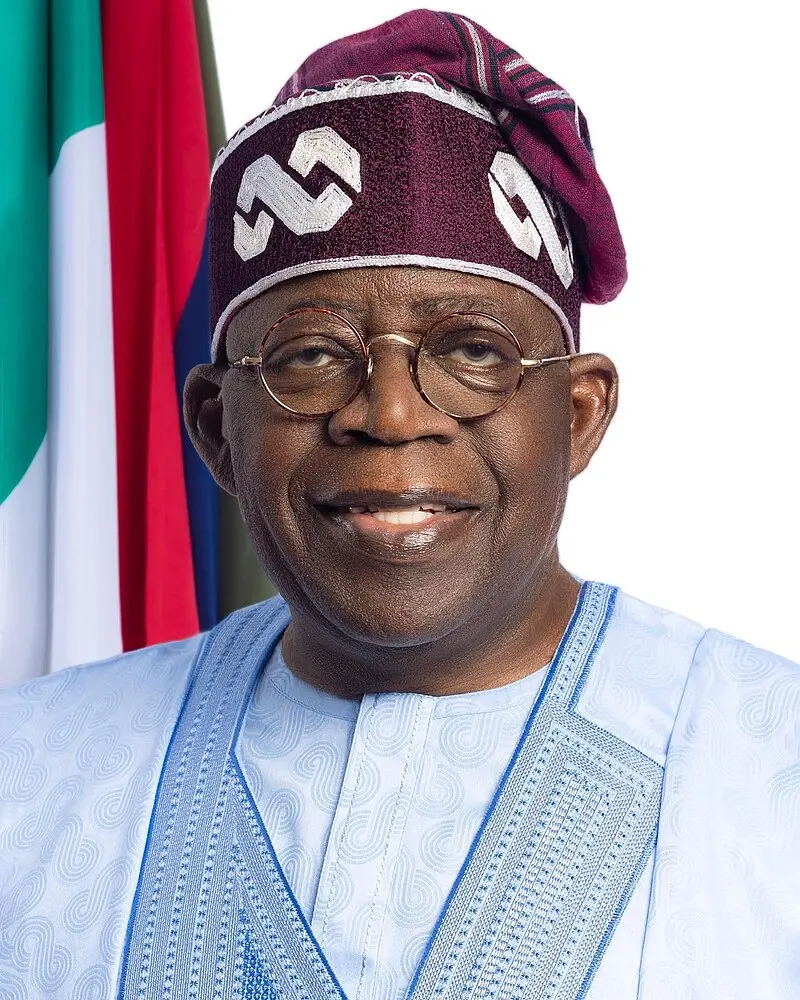
As concerns grow in the U.S. regarding the safety of religious minorities — Christians in particular — in Africa and the Middle East, the government of Nigeria has announced a security surge ordered by President Bola Ahmed Tinubu to protect Christians and people of all faiths from terrorist organizations and criminal groups.
“We will protect worshippers, defend innocent lives, and deny terrorists and kidnappers any safe haven,” Tinubu said. “Nigeria will not yield any community to those who threaten our people — especially in the North Central states and other affected areas.”
According to the Nigerian government, the surge includes additional deployments of military and police forces to reinforce local security and expanded patrols and rapid-response coverage in vulnerable communities.
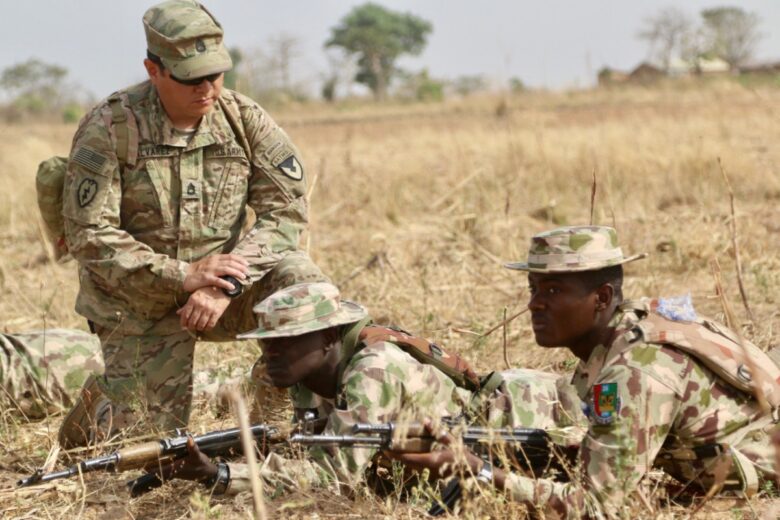
The surge comes amid a visible uptick in U.S.-Nigeria counterterrorism coordination. U.S. Africa Command confirmed a strike against ISIS affiliates in Sokoto State in December 2025, conducted in coordination with Nigerian authorities, and shipments of “critical military supplies” were recently delivered to Nigeria.
Steven Bucci, a visiting fellow at the Heritage Foundation, said the surge “can be the beginning of a new role for Nigeria, with support and enablement from America.”
“In the past, American leaders ‘asked’ that actions be taken but did not take measurable actions,” Bucci said. “The Trump administration made it clear that not only does it care, it cares enough about Africa to help Nigeria live up to its leadership potential, starting internally.”
Tinubu has also ordered enhanced security around places of worship, including increased presence around churches on Sundays, a sign U.S. concerns about attacks on Christians are being heard.
And perhaps most significantly, Tinubu has instructed the Nigerian police to withdraw most officers from VIP protection duties nationwide, including in the North Central states where threats are highest, and redirect them to core policing in those areas.
The fiscal 2026 National Defense Authorization Act, signed by President Donald Trump, will boost support for the Nigerian military, including $413 million for counterinsurgency and security operations in Nigeria and other African countries.
However, a proposal currently championed by some House Republicans would make 50 percent of U.S. assistance to Nigeria contingent on a State Department certification that the country has taken specified steps to prevent and respond to violence, support victims, and hold perpetrators accountable. Supporters frame the measure as a tool for promoting accountability and the protection of Christians and other minorities who have suffered deadly attacks in parts of Nigeria.
Advocates for conditioned aid include Reps. Bill Huizenga of Michigan and Riley Moore of West Virginia, who — in separate initiatives — have pushed for stronger U.S. responses to what they describe as egregious and escalating attacks on Christians.
But many U.S. officials and analysts urge caution about tying aid too tightly to conditions that could strain the relationship. Nigeria is Africa’s most populous country, a significant oil producer, and a key player in maintaining stability in West Africa and the Gulf of Guinea.
Critics of conditioning aid warn that new restrictions on U.S. assistance could jeopardize this partnership at a time when Nigeria’s security forces are already working to curb violent extremism with U.S. support. They contend that broad funding holds or certifications tied to politically sensitive benchmarks could incentivize nationalist backlash in Nigeria, empower anti-U.S. voices, and ultimately play into the hands of extremist groups that exploit narratives of foreign interference.
Bucci sees the oversight, not as pressure, “but as a sign that America’s engagement was not a ‘one and done’ situation.
“Trump’s military strikes were meant to be the first step toward real change, together with the government of Nigeria. The State Department certification shows that U.S. policy is, hopefully, long-term and, even more hopefully, tied to cooperative action with Nigeria.”