
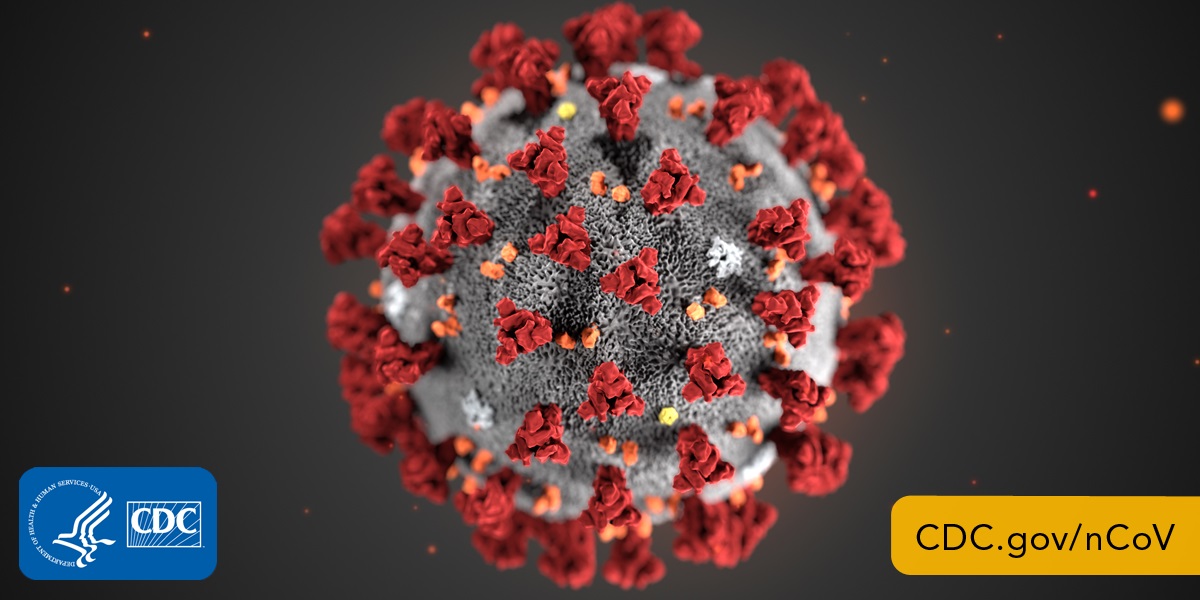
While most of us have set the COVID pandemic behind us — whether or not we have been vaccinated — people who are immunocompromised in some ways do not have that luxury. People who are on immunosuppressants because they have received an organ transplant or because they have a severe autoimmune disease risk hospitalization or even death if they catch COVID. Vaccines are largely ineffectual for this group, which encompasses 7 percent of the U.S. population.
For many in this group, the answer is the use of monoclonal antibodies (mAbs). Instead of stimulating antibody production via a vaccine, doctors biotechnologically engineer antibodies in a form that the body will recognize, triggering an accelerated response against a virus in infected patients.
MAbs are not new: They were first approved for the treatment of specific cancers in the 1980s and represent an active area of research as a treatment for a variety of non-COVID illnesses, including Alzheimer’s disease and cancer. Last year a study discovered that mAbs can significantly reduce Respiratory Syncytial Virus-related infections and hospitalizations in children under 5, a significant threat to this age group.
Last spring, the Food and Drug Administration granted emergency use authorization for Pemgarda, a monoclonal antibody engineered to treat people afflicted with COVID. It represents the first mAb on the market since early 2023 — mAbs must be engineered so that they target the latest mutation of the virus.
The presence of vaccines and treatments for those who are not immunocompromised and come down with COVID has reduced the urgency to develop new mAbs. However, the population most at risk of a serious outcome from catching COVID desperately needs something that works for them.
Early in the pandemic, mAbs were available and data suggest they sharply reduced hospitalization rates for high-risk people. There is every indication that updated mAbs will continue to be effective tools to protect vulnerable populations from the myriad effects of COVID.
COVID fatigue has affected more than vaccine-wary Americans: After the federal government invested billions of dollars to accelerate the development and testing of mRNA vaccines, it appears to have grown weary of continuing to fund and advance new treatments.
The seeming disinterest in encouraging mAbs is, in part, the reason that we have had none available for this population in the last year. (A similar disinterest is also evident in the slow development of nasal vaccines, which promise stronger and more lasting protection from COVID than traditional vaccines, but have similarly languished.)
The other issue with mAbs is the need for it to be covered by health plans. While the FDA does not set payment policies, its approval and guidance affect the determination of Medicare and private insurers regarding reimbursement. The FDA needs to partner with payers and policymakers to support the development, distribution and reimbursement of mAb treatments — tasks that go beyond approving the treatment. The latter step is crucial to ensure that these treatments are not only approved but also accessible.
It appears that everyone — policymakers, healthcare professionals and the public — have grown weary of the COVID fight and want to stop before it is even over. And Congress and the administration do not seem keen on funding anything beyond the current vaccines.
COVID is still among us, and it constitutes a very real threat to vulnerable populations with few other options like the immunocompromised. Monoclonal antibodies represent a way to help this group deal with this affliction, and the FDA and various other government agencies need to ensure that it is available to them.