

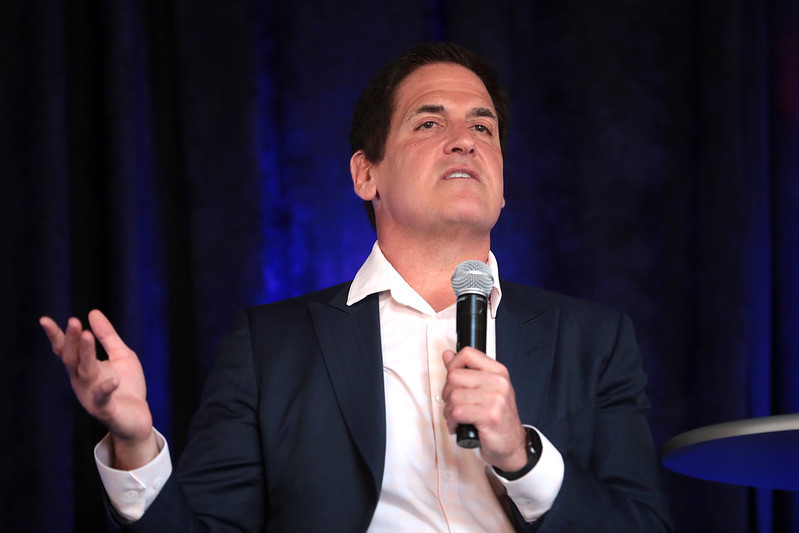
Mark Cuban, star of TV’s “Shark Tank, is garnering much attention for calling out pharmaceutical industry greed. To counter it, he recently formed a company called Cost Plus Drugs that manufactures generic prescription drugs and sells them directly to consumers. He recently asked for Twitter CEO Elon Musk’s help in expanding the reach of this company, which already boasts 2 million members.
As Josh Wendell recently pointed out in a STAT News analysis, Cost Plus Drugs is doing well because it’s choosing to work with cheaper generic drug manufacturers instead of major pharmaceutical companies.
The major drug companies have a marketplace monopoly with just three wholesale companies controlling 90 percent of U.S. prescription drug distribution. As a result, they can raise prescription drug prices at will. That is why so many American families now struggle to afford even essential medications.
The results of Cuban’s Cost Plus Drugs cutting these big drug companies out of the marketplace and giving Americans greater access speak for themselves. To list just a few examples, the company is offering cancer growth blocker Imatinib (the generic for Gleevec) for $11 rather than $2,500; prostate cancer medication Abiraterone Acetate (the generic for Zytiga) for $33 instead of $1,093; and the ulcerative colitis treatment Mesalamine (the generic for Canasa) for $26 instead of $766.
Unfortunately, however, instead of using his company’s success to demonstrate the sins of Big Pharma’s price-gouging to the press, TV star is puzzlingly choosing to criticize the top industry enemy of these monopolies — pharmacy benefit managers.
Cuban says his company is succeeding because it’s choosing not to use PBMs, which he says inflates prescription drug costs by charging excessive management fees to the American people’s health plans. While this is what the big drug companies that are spending millions of dollars lobbying to point the blame in the healthcare industry elsewhere want him and others to believe, it’s not true.
PBMs aren’t the devil. They’re just the companies that healthcare purchasers (including unions, employers and the federal government) hire to manage the American people’s health plans and find ways to save them money. Often, PBMs do this using the same tactic that Cuban’s company is using — by increasing the use of generic drugs.
Former Office of Management and Budget Director Peter Orszag told Congress that thanks to PBMs, “we have seen a very dramatic shift towards generics and away from branded drugs.” So, it shouldn’t come as a surprise that a 2022 industry study found PBMs save the typical patient more than $1,000 annually while the Trump administration’s former Council of Economic Advisers chief economist found that employers and other health plan sponsors would forgo $58 billion in value each year without PBMs.
While Cuban’s company is doing the American people a great public service by helping to get Big Pharma out of the healthcare industry, it is pointing blame elsewhere by demonizing PBMs, helping drug companies increase their power and influence.
PBMs manage 90 percent of Americans with prescription drug coverage benefits, so it’s only fitting that Big Pharma is trying to use the power of celebrity and influence to regulate them out of the marketplace so they can inflate prices further. In many respects, it’s succeeding in its lobbying efforts. Not only has it gotten Cuban and others to spout its profit-driven talking points but it has also persuaded Congress to introduce a number of bills that would stop PBMs from reducing their costs. If those measures pass, the typical American patient may have to spend more than $1,000 more on healthcare yearly.
It’s not too late for Cuban to correct the record and help protect the pocketbooks of millions of vulnerable patients. Healthcare analysts nationwide are counting on him to speak up and do the right thing.