

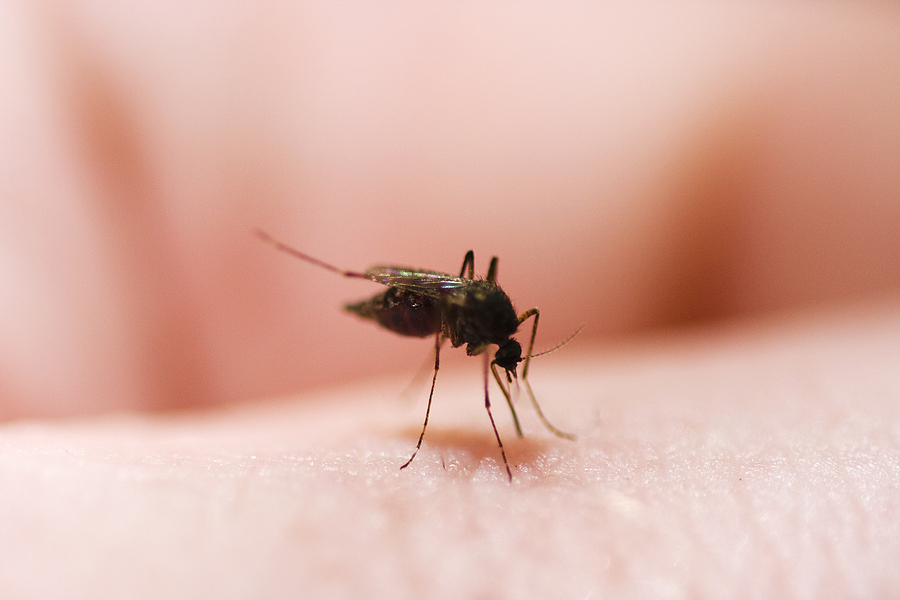
Many parts of the country boast (if that’s the right word) several species of mosquitoes that bite and make us itch, so we scratch. And scratch. Well, medical researchers are studying the eternal question of why it feels so good to scratch an itch, and may have an answer.
A recent study by investigators at the University of Pittsburgh and reported in the journal Science sheds light on this age-old behavior, uncovering a surprising connection between scratching and the immune system. The researchers identified a neuroimmune circuit in which scratching has two effects: It worsens skin inflammation but also enhances the body’s defense against bacterial infections. These findings suggest that while scratching is often a harmful response in conditions like eczema, it may also have evolved as a protective mechanism to combat pathogens.
On the surface (pun intended), scratching appears to be a purely defensive response, meant to remove irritants from the skin. However, the Pittsburgh study suggests a far more complex interaction between the nervous system and the immune system. The researchers found that in mouse models of dermatitis, scratching was required for skin inflammation to occur. This process was dependent on three things: the presence of pain-sensing neurons (nociceptors); a neuropeptide known as substance P; and the activation of mast cells — immune cells that play a critical role in allergic reactions and inflammation.
Here’s where things get interesting: While scratching made allergic skin disease worse, it also enhanced the body’s defense against bacterial infections, particularly those caused by Staphylococcus aureus (S. aureus), a common skin pathogen. In other words, scratching triggers neuroinflammation, which can have harmful and beneficial effects, depending on the context.
To understand the underlying mechanisms, the researchers conducted a series of experiments in mice. By selectively disabling certain itch-sensing neurons, they observed that preventing scratching led to a decrease in inflammation associated with allergic reactions. However, it also weakened the immune response to S. aureus infections, allowing the bacteria to thrive.
The key to this effect appears to lie in mast cells, which release inflammatory mediators when activated. These cells can be triggered by allergens such as pollen or dust mites, but they can also be stimulated by substance P, the neuropeptide released when we scratch. This dual activation leads to an amplified inflammatory response, increasing immune cell recruitment to the affected area.
From an evolutionary standpoint, this mechanism makes sense: A person scratching at an irritated patch of skin might inadvertently expose hidden pathogens, so prompting the immune system to mount a stronger defense is beneficial. However, in modern environments where allergens and chronic skin conditions are prevalent, this same response can be detrimental, leading to excessive inflammation and worsening diseases like eczema.
One of the more perplexing aspects of scratching is that it often feels good, at least initially. Unlike pain, which triggers an avoidance response, scratching an itch provides momentary relief and even pleasure.
The Pittsburgh study provides a possible explanation for this: Scratching activates pain-sensing neurons, which then interact with immune cells to modulate inflammation. In other words, the immediate relief we feel from scratching might be a side effect of neurochemical interactions that have evolved to serve a broader, useful immune function.
However, the study also highlights the downside of this process. In chronic conditions like atopic dermatitis (eczema), the repeated cycle of itching and scratching leads to worsening inflammation, skin damage and an increased risk of infection. This is why dermatologists often emphasize breaking the itch-scratch cycle with antihistamines, corticosteroids and other treatments.
The findings from this research could lead to new approaches for treating allergic skin conditions and infections. If scratching can worsen inflammation and enhance immune defense, then understanding the precise molecular mechanisms involved could help scientists develop targeted therapies that block harmful aspects of scratching while preserving its beneficial effects.
As scientists continue to unravel these mechanisms, one thing is clear: Something as simple as scratching an itch turns out to be far more biologically intricate than we ever imagined.