

As Ukrainian forces continue to push the Russian invaders out of their war-torn country, Russian President Vladimir Putin has vowed to continue to fight, raising fears of a bloody new chapter in this already tragic war.
“I remind you that the Russian army isn’t fighting in its entirety… Only the professional army is fighting,” Putin said at a September summit.
However, numerous news reports indicate Russia has indeed begun using conscripted soldiers, fueling concerns that Putin may be growing desperate as Ukraine appears to have regained large amounts of territory in its recent counter-offensive.
This new Russian desperation has Ukraine’s Western allies searching for new ways to deter Putin from taking drastic action that would worsen the war – including new European sanctions.
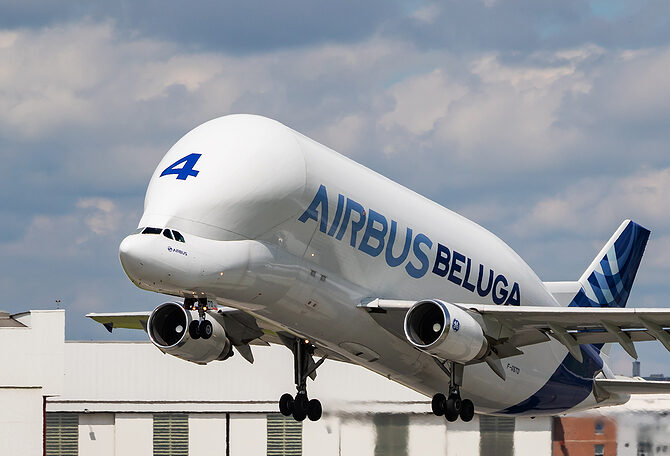
Once again, however, those sanctions do not include titanium, and it appears Europe’s Airbus is behind Putin’s latest reprieve.
Airbus has opposed adding Russian titanium exports to the list of sanctioned items, even though the company that Airbus buys its titanium from, VSMPO-AVISMA, is owned by Russia’s state-owned defense conglomerate Rostec.
Titanium is a key component of many aircraft parts and is highly prized for its high-strength, low-weight characteristics, and its ability to be blended with high-tech carbon fiber. Titanium is used in airline components such as landing gear and other key parts.
Airline manufacturers in particular have looked to Russia as a key supplier of titanium, though Airbus is unique in continuing to do business with Putin’s regime after the invasion of Ukraine. Airbus sources nearly 50 percent of its titanium from Russia.
In April, an Airbus spokesperson tried to claim sanctioning Russian titanium would hurt Europe worse than it would hurt Putin.
“Sanctions on Russian titanium would hardly harm Russia because it only accounts for a small part of export revenues there. But it would massively damage the entire aerospace industry across Europe,” the spokesperson said.
That statement is no longer true, and one has to wonder whether Airbus would try to offer such a ridiculous excuse today.
A connected, global economy was supposed to make war less likely. Countries that had strong economic ties to each other –the theory went – were supposed to view war as too costly to engage in. Instead, it appears to have made stopping war too expensive.
Countries – and companies – that cannot sacrifice economically do damage to the credibility of a global economy and the broader international order itself.
Airbus’ continued opposition to sanctioning Russian titanium makes it harder for Europe to pressure Putin – and easier for Russia to keep up the war effort.
Europe’s airline manufacturer is directly funding Putin’s armed forces at a time when the Russian Army appears to be falling apart and grasping desperately for soldiers. This move seems both selfish and short-sighted.
Russians are resisting being drafted into Putin’s illegal war in Ukraine, and who can blame them? With reports of war crimes and mass graves being discovered as Ukrainian forces retake formerly Russian-held territory, any assistance that is offered to Russia’s armed forces is unconscionable.
Russia is losing both ground and morale. Ukraine is defying the odds and making the most out of the Western weapons and intelligence it has been given and could very well defeat the vastly superior Russian army.
Companies that still oppose sanctions on Russia in the hopes that they can run out the clock on this war without harming their business are engaged in a shameful level of cynicism.
Peace should not be sacrificed for profit.