

At a national tech expo recently, Iran unveiled its newest “robots” — only for the world to discover they were humans in binary costumes. It’s easy to laugh. Beneath the humor lies something more serious: This is what AI propaganda looks like in its infancy.
While Iran’s AI demonstration was an obvious hoax, the ability of real technology to dupe others in the future won’t be.
While Iran’s tech expo proved to be a low-budget misstep, it reveals snapshots of a global pattern. Nations worldwide are scrambling to appear competitive in artificial intelligence. Some showcase genuine breakthroughs. Others create the appearance of progress. For governments — especially authoritarian ones — optics often matter as much as, or more than, actual technological capability.
Iran isn’t the only place where tech theater thrives. Historically, regimes with tight control over information have relied on spectacle to signal strength and advancement: exaggerated military displays, inflated scientific claims, staged national achievements. In the age of AI, the tactic changes format. Binary costumes replace tanks; “robot demonstrations” replace parades.
Let’s not pretend this is only an Iranian phenomenon. Even in democratic nations, AI theater is becoming normalized. Companies polish demos that barely function. Agencies issue overly optimistic roadmaps. Institutions exaggerate readiness. And governments everywhere are under pressure to look as if they are leading the AI race — even when the reality is far more complicated.
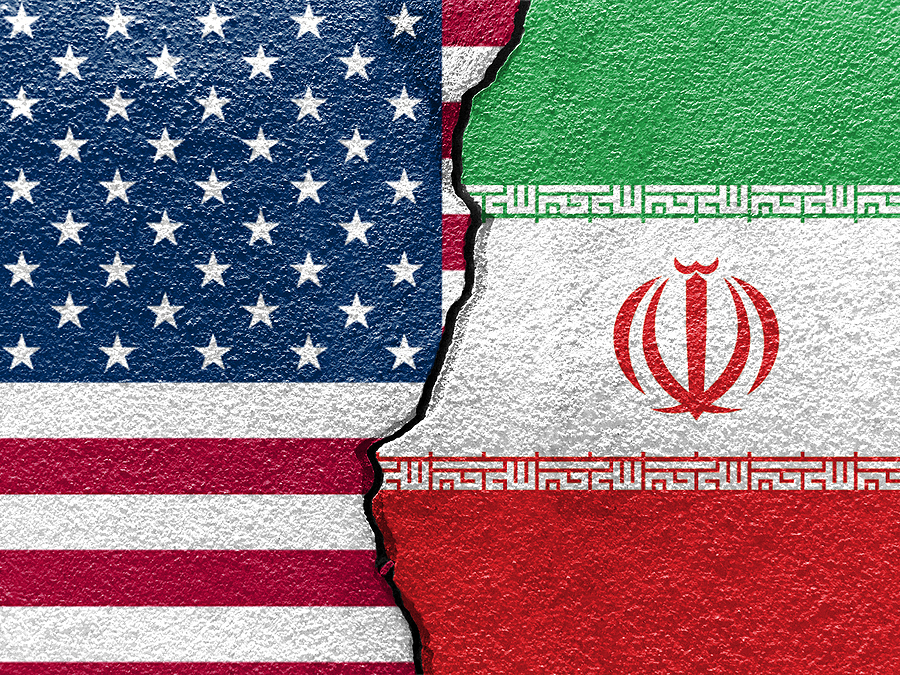
The United States has made its intentions explicit. America’s AI Action Plan frames AI leadership as essential to national security and global influence. The message is clear: the nation that builds the largest AI ecosystem will set global standards. The plan is built around three pillars — accelerating innovation, expanding domestic infrastructure, and strengthening international AI diplomacy and security — positioning the United States to become the global benchmark for AI development and, potentially, the model for transparency, accountability and responsible progress.
This pressure doesn’t affect governments only. Even major consulting firms have stumbled under it. In 2025, Deloitte delivered a 237-page report to the Australian government that later turned out to contain fabricated academic references and AI-generated errors — including a fake quote that led to a federal court judgment. The firm ultimately refunded a portion of the fee when the flaws came to light. It wasn’t just a consulting embarrassment; it was a global alarm bell.
If a top-tier institution, which plays a critical role in national defense, can unintentionally pass off AI hallucinations as expertise, the line between credibility and illusion is far thinner and potentially more hazardous than most people realize.
Here’s the truth few say bluntly: The world should want a democracy to win the AI race. Not because democracies are perfect, but because they come with brakes.
The United States still has courts, a free press and public scrutiny — mechanisms that expose misuse and force correction. Authoritarian systems have none. When AI is fused with unchecked power, it becomes an instrument of control, not progress. In this new age of intelligence, the system that governs AI is as critical as the AI itself.
Which brings us back to Iran and to the part that should concern us most. Even in a case of such obvious deception, many in the crowd believed it.
If humans are easily swayed by a simple costume today, consider the possibilities tomorrow, when deepfake humanoids, CGI robots, and other forms of sophisticated digital misinformation become pervasive.
We are entering an era where seeing will no longer mean believing — and believing will no longer mean it’s real.
This is quickly becoming one of the greatest risks of the 21st century.
Nations don’t need to fool experts; they only need to fool ordinary citizens. And in the AGI era, perception is power.
The solution isn’t just mockery; it’s a responsibility that extends to all of us.
We need real transparency from institutions, ethical standards for demonstrations, and public education to help improve understanding of what AI is — as well as the importance of approaching this next wave of innovation with a hyper-critical eye to discern what is real and what isn’t.
Because if humans in binary costumes can be sold as real robots today, we should be extremely clear-eyed about the kinds of AI illusions we’ll face tomorrow.