
When Congress starts calling something the “Main Street Depositor Protection Act,” you can bet it’s not about protecting Main Street. The latest proposal in Washington would increase federal deposit insurance from $250,000 to a staggering $10 million for certain business accounts. Proponents are selling it as a way to help small banks and small businesses. Let’s be honest, this is another big-bank bailout disguised as reform.
This was clear at a recent House Financial Services Committee hearing on the topic. Despite the best efforts of some to put lipstick on this pig, the testimony of community banks and other Main Street advocates exposed the truth. Punchbowl described the hearing as an “icy reception” that has created a “quagmire” for the Main Street Depositor Protection Act.
That’s because this bill doesn’t protect a local diner, an auto-body shop, or the family-owned machine shop. It protects the mega-depositors — the Fortune 500 companies with tens of millions in the bank — and the giant banks that serve them.
Fewer than 1 percent of all bank accounts exceed the current $250,000 FDIC insurance limit. That means 99 percent of businesses — the real small businesses — are already fully protected. So, who really benefits from this bill? Wealthy corporations that park millions in cash.
Real Main Street doesn’t need this bill. The median small business keeps nowhere near $10 million in the bank. What Main Street needs is fair access to credit, reasonable banking fees, and a financial system that doesn’t privatize profits while socializing losses.
This proposal was expanded to include almost every regional bank in the country, some with half a trillion dollars in assets. These aren’t neighborhood banks. They’re major financial institutions that already enjoy countless advantages over small lenders.
Meanwhile, someone must pay for all that extra deposit insurance. The costs don’t fall on the big guys. They get passed down to the rest of us through higher banking fees, less credit available for small businesses trying to expand or make payroll, and lower interest rates on savings. And when you hit a recession, taxpayers could be on the hook again for another round of bailouts.
If history has taught us anything, it’s that when Washington starts guaranteeing too much, risk-taking explodes. Economists call that moral hazard, when people (or banks) make riskier bets because they know someone else will cover their losses. We saw it before to devastating effect in 2008. This bill would make it worse.
For the small-town business owner seeking a line of credit, this bill is a raw deal. When banks face higher premiums to pay for this expanded insurance, they’ll make up for it by charging more and lending less. And when credit dries up, rural America gets hit hardest.
Democrats should know better. The party was built on fighting for working people, not writing blank checks for corporate America. It’s time to stop calling every corporate handout “help for Main Street.”
If Congress really wants to help small businesses and local banks, there are better ways. We should expand access to credit through community development financial institutions, strengthen programs that help manufacturers and farmers modernize and compete, and support entrepreneurs who can’t afford a team of lobbyists.
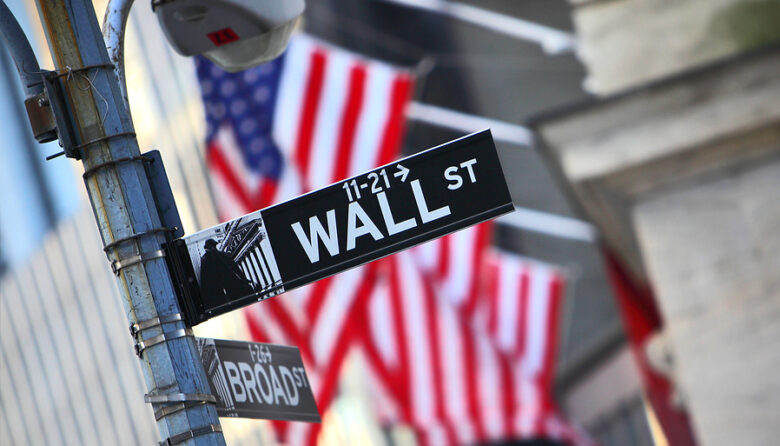
This bill isn’t about protecting Main Street. It’s about insulating Wall Street. And working families shouldn’t be forced to pay the price for that again.