

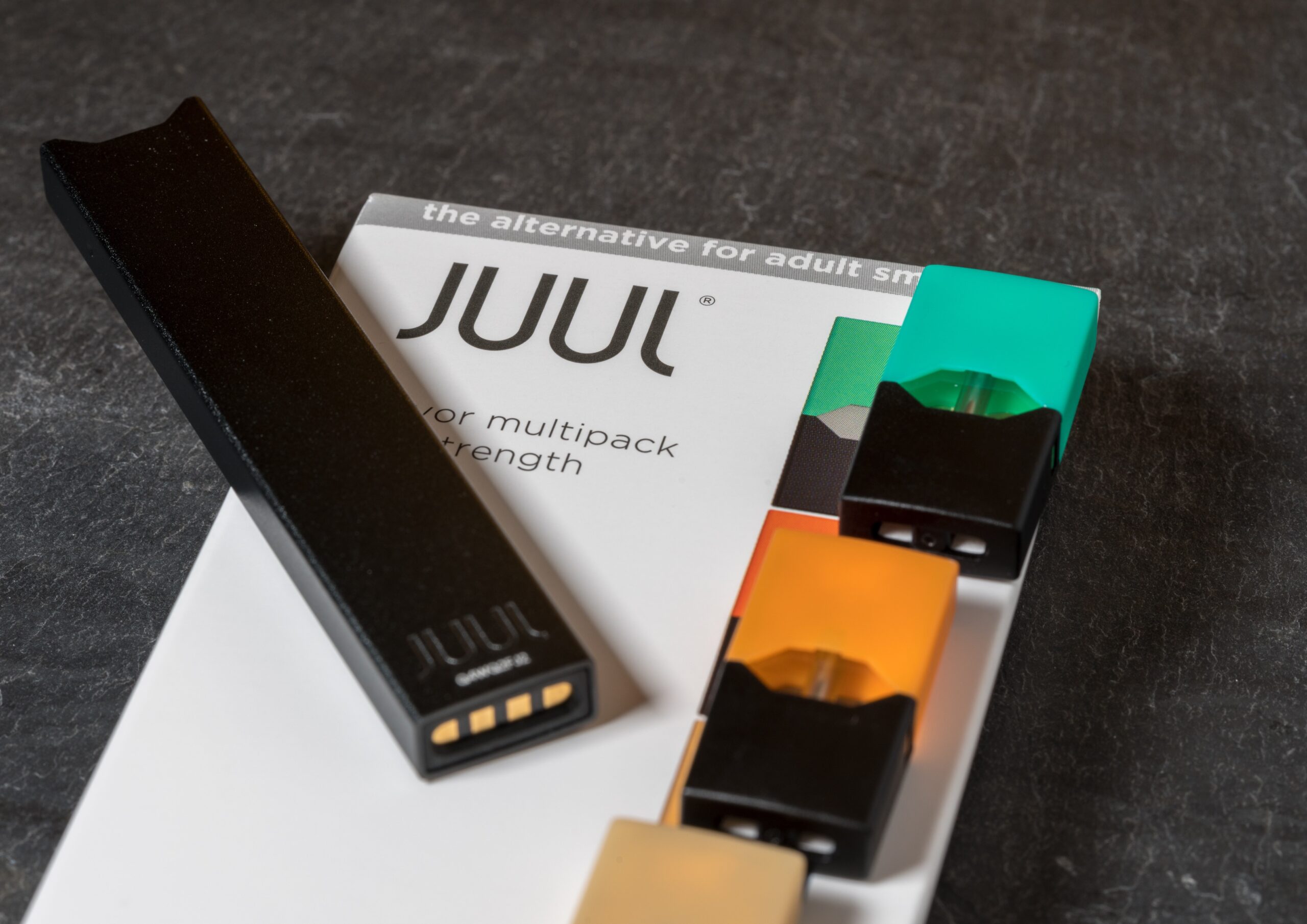
While the Biden administration’s decision to pull Juul products off the market captured extensive media coverage, a lesser-known fight between the e-cigarette maker, tobacco giant Altria, and the Federal Trade Commission could have broader implications spanning nearly every industry. Should FTC side against its own administrative law judge in this case despite overwhelming evidence in favor of Altria/Juul, the commission will face another Supreme Court challenge of its authority — and it will likely lose.
The FTC heard oral arguments in October regarding the decision by an in-house judge to dismiss the commission’s challenge of Altria’s $12.8 billion investment in Juul. The FTC filed a lawsuit against the two companies in 2020, accusing them of violating antitrust law after Altria bought a 35 percent stake in the e-cigarette maker. In the weeks before striking the deal, Altria pulled its money-losing vape products off the market, the timing of which the FTC flagged as suspicious. The commission contends the acquisition was bad for competition and is now working to appeal FTC Chief Administrative Law Judge D. Michael Chappell’s dismissal of the case.
Given that anticompetitiveness is the basis of the FTC’s suit against Altria and Juul, the commission released an August report finding that sales of flavored disposable e-cigarettes and menthol e-cigarette cartridges “surged dramatically” in 2020 — after the Altria/Juul acquisition. The FTC noted that the rise in sales, which coincided with a federal ban on flavored e-cigarette cartridges, “suggests that youth e-cigarette use shifted to substitute products rather than declined.” In other words, the market became more competitive after Altria became Juul’s largest investor.
Judge Chapell said the same in dismissing the case, finding that Altria’s exit from the e-cigarette market did not hurt competition. The judge found the market actually became more competitive after the acquisition, noting that the price of Juul and other vape manufacturers declined while the volume of e-cigarettes sold increased.
The data back this up. A CDC Foundation study published last year found e-cigarette sales increased 34.6 percent between September 2020 and June 2021. A separate Research and Markets report published in April predicted the e-cigarette market would increase 47 percent by 2027, jumping from a market value of $20.4 billion in 2021 to $30 billion.
Despite demonstrating a robust e-cigarette market ripe with competition, the FTC is expected to overturn Chapell’s decision. If the past indicates how the commissioners will rule in the coming months, the conclusion is already forgone. The FTC has won 100 percent of the cases it has tried in the last three decades, given that the commission acts as prosecutor, judge and jury.
Because Altria and Juul can appeal the FTC’s decision to a federal circuit court, judicial watchers expect this case to land in the Supreme Court on the grounds of constitutional violations, which could have significant implications for the commission’s sweeping authorities. The FTC is already embroiled in a similar challenge with body camera maker Axon. Both testified in November before the Supreme Court, where the justices mulled the constitutionality of the FTC’s administrative trial process.
To avoid another Supreme Court challenge, which will undoubtedly lead to the FTC’s power being curtailed, three of the five commissioners must uphold the administrative law judge’s decision to drop the case against Altria and Juul. The sole Republican commissioner, Christine Wilson, criticized the FTC’s broad expansion of power over the last several years and seemed open to letting the administrative law judge’s ruling stand. That leaves the newest commission member, Democrat Alvaro Bedoya, who recently criticized the agency’s antitrust enforcement and called for a “return to fairness,” as the potential second vote to uphold the decision.
Bedoya, who has underscored the importance of the FTC in promoting competition, should follow the facts, which demonstrate that the e-cigarette market became more, not less, competitive after Altria acquired Juul. The commissioner has the opportunity to stave off another Supreme Court challenge to the commission’s constitutional authority and subsequently protect the FTC’s ability to rule in real violations of antitrust law.