

After years of back-and-forth, the Colorado River Basin states are scrambling to finalize new water management guidelines before the current rules expire in 2026. Their goal is clear: to maintain control over their water allocations and protect the conservation efforts they have worked hard to implement.
Pressure ramped up when the Bureau of Reclamation released the Environmental Impact Statement detailing alternative plans that could be implemented the following year. If the compact states can’t reach an agreement, Arizona, California and Nevada could face combined shortages of 1.48 million acre-feet.
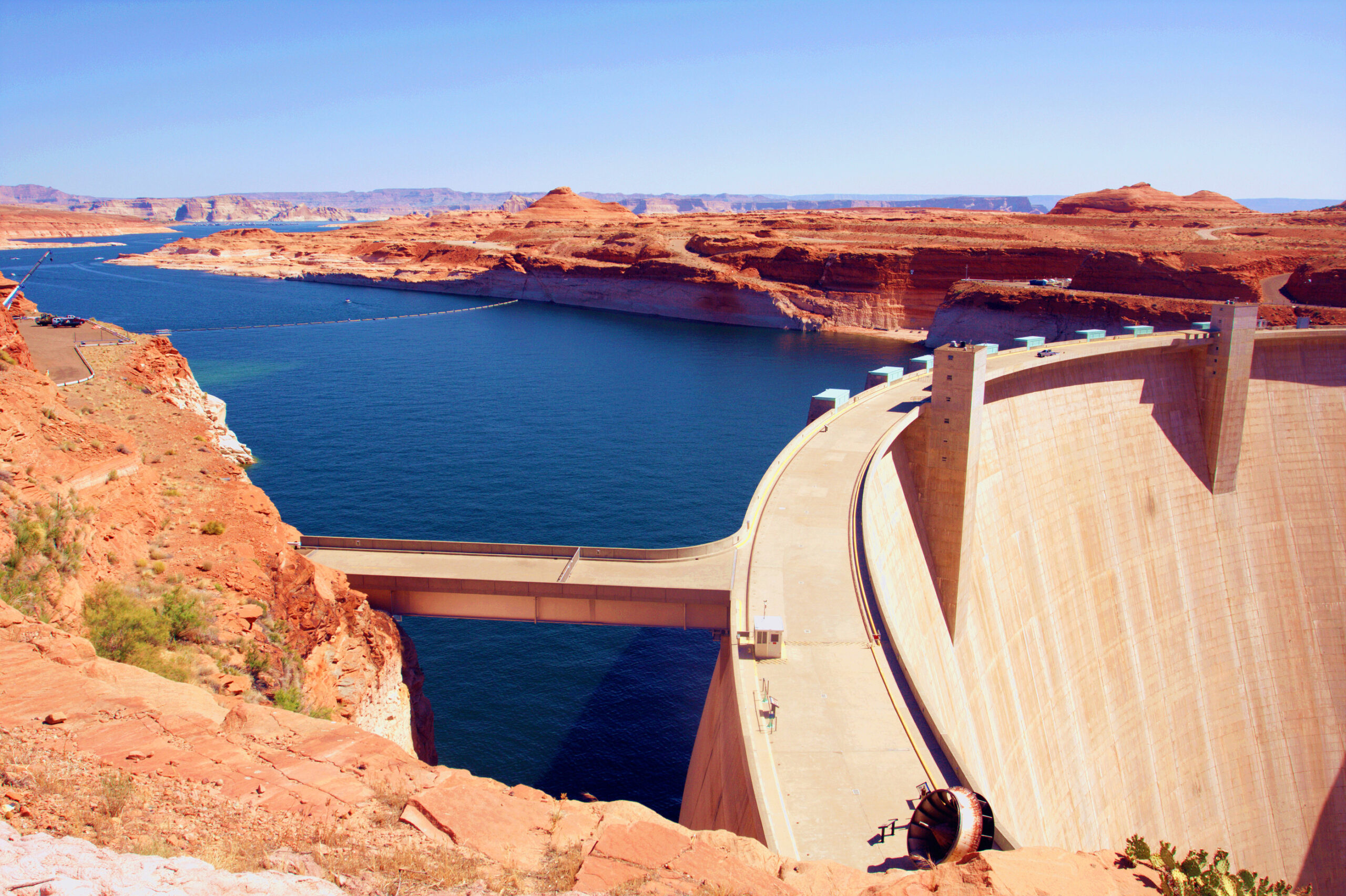
The stakes are huge. The Colorado River is the lifeblood for economic sustainability and growth in the Southwest. The state of the river’s reservoirs is alarming. The water levels in Lake Powell and Mead are already dwindling. Next year, it’s estimated that “the river’s inflow” will be 27 percent below average.
The threat of federal intervention and water shortages makes collaboration among the states critical. Giving states flexibility to innovate, adapt to local conditions, and avoid perverse incentives will better achieve results in water management.
Several states in the Colorado River Basin have stepped up as leaders in innovation and water conservation. Arizona, California and Colorado have adopted major water-efficiency initiatives even as the Lower Basin is criticized for “historic over-use.”
California has reduced its usage of Basin water to its lowest level since 1949. Arizona has achieved significant water conservation, despite experiencing a 500 percent increase in population since 1957. Yet, Arizona uses 3 percent less water than it did in the late 1950s.
Arizona has done its homework and taken measures to reduce water usage and reliance on Colorado River water. The Grand Canyon state has successfully pioneered conservation policy. The Groundwater Act of 1980 established regulated districts in the state’s most populous regions, limiting extraction to meet sustainability goals, creating an influential model for national groundwater stewardship.
Beyond regulation, for a century Arizona has bolstered its water portfolio by using recycled wastewater for various purposes, including irrigation. It has even provided incentive-based initiatives such as funds for turf removal, reimbursement for farmers to switch from flood irrigation, and rebates for water-efficient toilets.
Arizona has not only reduced its reliance on Colorado River water but has done so in a forward-looking manner. Demonstrating that states can best manage the future of the Colorado River.
Most of the options put forward would treat all seven states with a broad brush, the same shortage and release rules, without consideration for the unique ways each state manages its water. The Basic Coordination Alternative and Supply Driven approaches risk punishing innovative states by forcing them to make the same cuts as states that have conserved less.
The differences between the Upper Basin and Lower Basin conservation strategies demonstrate how one-size-fits-all policies fail. The Upper Basin prioritizes meeting compact water delivery by focusing on decreasing agricultural water use. Achieved through voluntary conservation, modern irrigation and crop rotation.
The Lower Basin approaches conservation through urban water efficiency. Making significant investments in water reclamation, long-term water banking and canal and piping upgrades. These investments have yielded measurable results.
Recent conservation projects in the Lower Basin are estimated to “increase annual water capacity by over 127,000 acre-feet’ and canal and piping upgrades have saved 93,700 acre-feet annually in California alone.
Innovation, efficiency and wise investment should not be penalized. To ensure conservation efforts are meaningful, fair and effective across the entire basin, state-level strategies must be recognized and incorporated.
Federal intervention by the Bureau of Reclamation wouldn’t just be overreach; it would create perverse incentives for the Colorado River states. If negotiations fail, the bureau could impose centralized rules governing water releases and shortage triggers, replacing state-driven solutions. When states face federal cuts, they will lose the incentive to innovate.
That incentive problem is not theoretical. The Lower Basin is on track to conserve 3 million af. in Lake Mead by 2026, beyond federally mandated water cuts. The conservation agreements in the region are estimated to save an additional 1.58 million af through 2026. These outcomes result from rewarding conservation, not from water caps.
Uniform reductions flip that incentive structure on its head. Rather than promoting conservation, it could push states to focus on lobbying and protecting their water allocations instead.
Restrictive federal mandates may encourage lobbying efforts, causing state representatives and interest groups to compete over carve-outs and exceptions, rather than focusing on improving water conservation.
Federal intervention is not the solution to the gridlock. One-size-fits-all solutions undermine the conservation efforts the Bureau of Reclamation seeks to enforce. Giving states the freedom to innovate allows them to implement policies that reduce water use while supporting economic growth.