

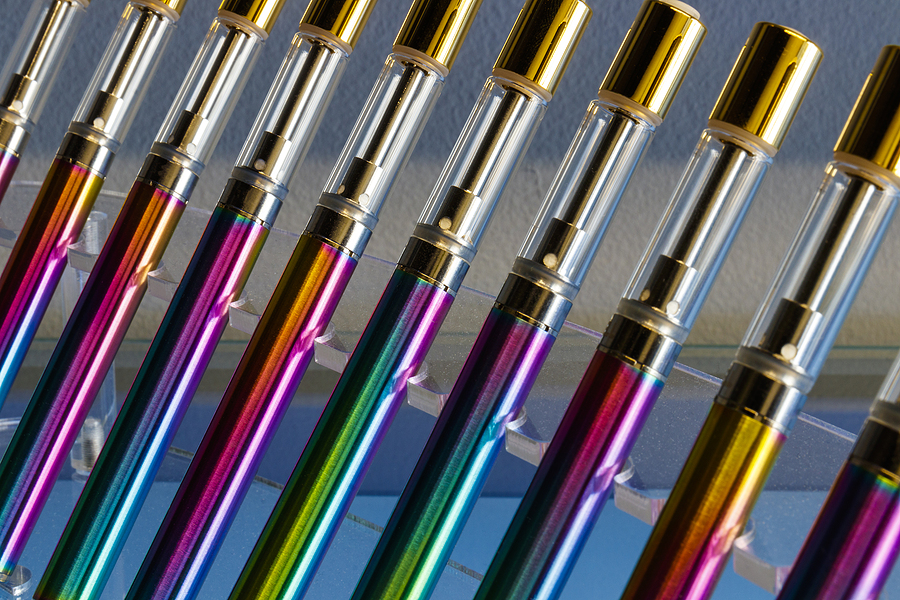
A new survey of discarded cigarette and e-vapor packaging across the District of Columbia metro area in a random collection of street and public trash cans reveals a shocking discovery about the widespread availability of illicit vaping products.
Unfortunately, the prevalence of these products is not new. Millions of unauthorized and illicit disposable devices have been pouring into the U.S. market since the Food and Drug Administration created a loophole in 2020 when it removed cartridge-based flavored e-cigarettes from store shelves but ignored disposables. Ultimately, these recent findings paint a disturbing picture of the FDA’s regulatory failure and unchecked manufacturer profiteering.
The study, conducted by the WSPM Group, found that 99.6 percent of the e-vapor products surveyed in Washington were flavored, blatantly violating the ban on flavored e-cigarettes in our nation’s capital. Even more concerning is the discovery of brands considered unauthorized and illicit e-cigarette products. Despite a high-profile import seizure by agents and the FDA last December, these products continue to flood U.S. markets through our ports from Chinese manufacturers. This brazen flouting of federal regulations underscores the need for robust enforcement measures to stem the tide of illegal vaping products.
In addition to the widespread availability of illicit vapes, data from the WSPM study reveals another troubling reality. Despite the ban on flavored tobacco, menthol cigarettes continue to dominate the marketplace, comprising 63.3 percent of packs found in D.C. over a year after the ban’s implementation. Moreover, a mere 3.8 percent of packs bore the D.C. tax stamp, indicating a significant influx of out-of-state products. Unsurprisingly, similar to what we’ve seen with other state menthol bans, most (62.3 percent) of the sampled products carried a Virginia tax stamp, highlighting the cross-border nature of the illicit trade.
Clearly, prohibitionist policies have not been effective at getting menthol cigarettes off the market. And the FDA’s unwillingness to approve alternative vape products has created an ecosystem where the illicit market is thriving.
The FDA’s failure to crack down on the sale and distribution of illicit vaping products emboldens Chinese manufacturers while jeopardizing public health. More than 90 percent of the world’s vaping devices are manufactured in China.
China does not allow these flavored disposable products to be sold in China. These overseas manufacturers bypass quality control measures and often contain undisclosed ingredients, posing a grave risk to consumers. What makes matters worse is the marketing tactics manufacturers use to attract young people, with these products having bright colors, fruity flavors and high nicotine content.
Sadly, the most recent National Youth Tobacco Survey revealed that three of the top five most popular vape brands middle and high school students reported using are illicit vapes made in China.
The prevalence of counterfeit products undermines the efforts of legitimate businesses to promote harm reduction and sell safe and regulated alternative nicotine products to adult consumers. Out of 26 million applications submitted by manufacturers looking to sell their products in the United States, the FDA has granted only 23 authorizations. This raises serious questions about the FDA’s priorities and effectiveness in ensuring that well-regulated products are available to consumers and allowing only those that meet our health and safety standards to legally enter the market.
Ultimately, the FDA’s lack of authorization for e-cigarette products has led to this large and growing illicit market, and the newly released study serves as a stark reminder of the urgent need for action. The data show that prohibition policies, like the ones implemented in D.C., simply don’t work. The solution is to authorize more legitimate, regulated products into the market and take steps to crack down against foreign manufacturers who threaten public health and undermine legitimate businesses.
It’s time for policymakers and regulators to confront this challenge head-on and safeguard the health and well-being of our communities.