

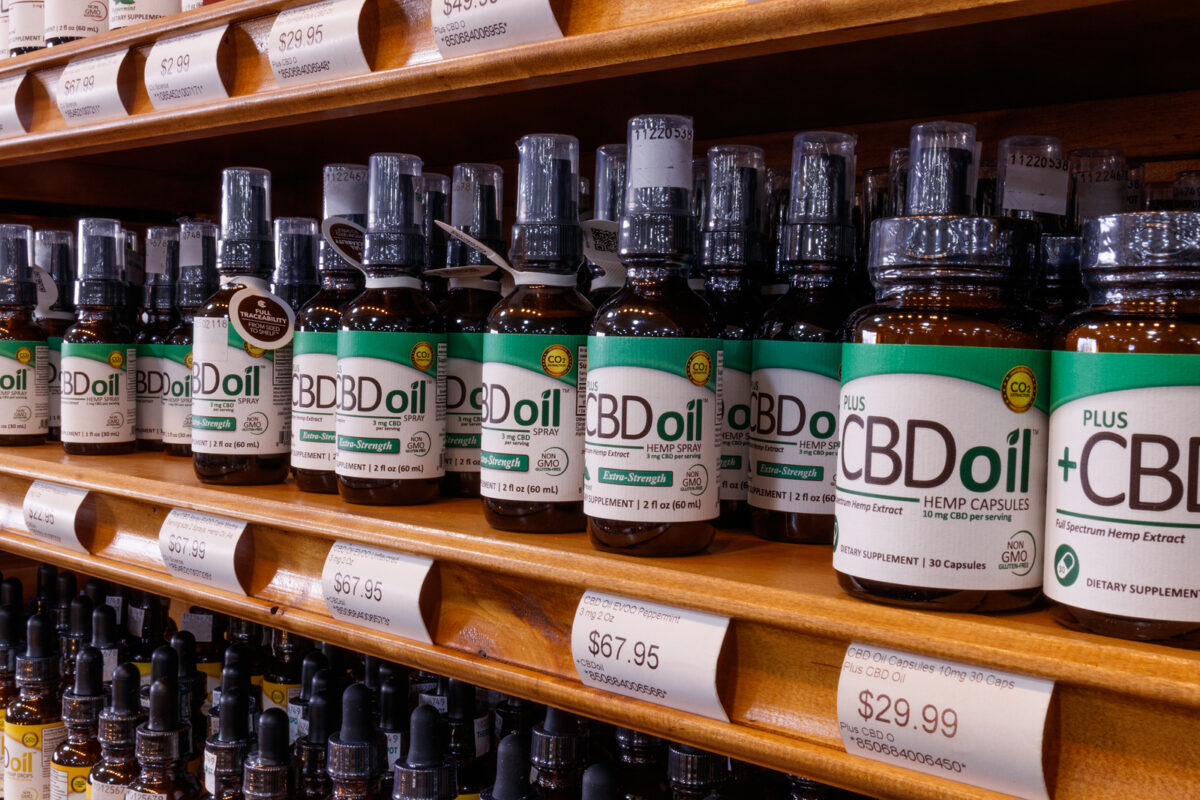
Amid all the attention on the government shutdown, the U.S. Senate quietly advanced language in the continuing resolution that would do something deeply harmful, and entirely unrelated to the shutdown: it would strip sick children, seniors, athletes and veterans of access to the non-intoxicating CBD products that many rely on to manage seizures, chronic pain, PTSD, traumatic brain injury symptoms, anxiety, and sleeplessness.
The provision is being described as a measure to stop “intoxicating hemp” products such as delta-8 THC from being sold in gas stations and online. I strongly agree that synthetically altered products that mimic intoxication should absolutely be regulated or restricted. But as currently drafted, this language goes much further than that. The current, arbitrary thresholds would essentially ban non-intoxicating hemp products overnight.
I first got involved in this issue because of my daughter Charlotte. She suffered from Dravet Syndrome, a catastrophic form of pediatric epilepsy. Standard pharmaceuticals failed her. I worked with scientists in Colorado to develop a high-CBD, low-THC hemp extract, which we now recognize as CBD.
Thanks to low-THC hemp, Charlotte’s hundreds of seizures each week dropped to just a few per month, allowing her to live, grow, and simply be a child. Her story inspired the first FDA-approved CBD epilepsy medication and a national movement that helped legalize hemp across America.
But now all of that progress is in danger because of a single line snuck into the funding bill to reopen the government. What that provision is doing in the bill is a mystery to anyone outside of Congress–and probably to most people within it. It is a result of a backroom deal that no American voter voted for.
Today, 45 million Americans, including seniors, first responders, athletes, and especially veterans, use CBD daily. This is a population larger than any U.S. state, yet congressional leadership refuses to represent us–only the DC lobbyists who are turning Big Marijuana into the next Big Tobacco.
The only reason that the controversial products have arisen since 2018 is that Congress and the FDA dragged their feet and did nothing to produce a regulatory framework for this new and promising solution. As a result, Americans were exposed to mislabeled and sometimes even contaminated products.
Instead of banning non-intoxicating hemp products without a single committee hearing or committee markup, Congress should fix the real problem: require the FDA to regulate CBD as a dietary supplement with third-party testing and labeling. That will protect Americans from harmful and intoxicating products while still ensuring access to hemp for the millions of Americans who need it.
The consequences of the Senate’s provision will be immediate and devastating. Veterans who depend on CBD for PTSD and sleep regulation will lose a non-addictive alternative to opioids, benzodiazepines, and alcohol. Parents of children with epilepsy or autism will once again be put in the impossible situation of watching their children regress. Adults seeking relief from chronic pain will be pushed back toward opioids at a time when opioid overdose deaths still number in the tens of thousands per year.
Instead of taking these products off the shelves, Congress should finish the job it began in 2018 and restore access to these life-saving treatments. People like my daughter, Charlotte, are not a bargaining chip in a backroom deal — they are fellow Americans who need help. Congress should fund the government, but there is no reason to ban CBD.