

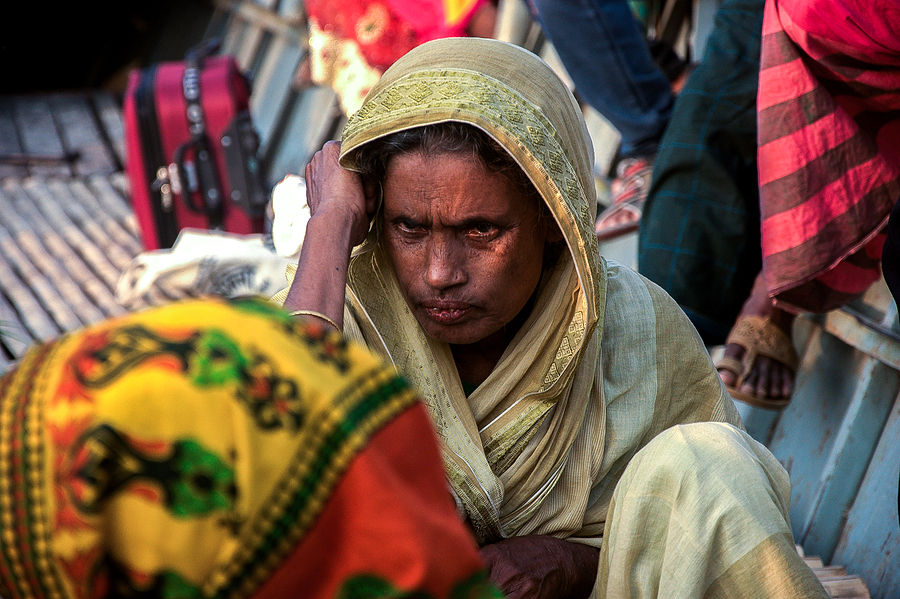
At Cox’s Bazar refugee camp in Bangladesh — the landing place for a million Rohingya refugees who fled genocide by the Burmese military in 2017 — violent attacks against women and girls are so prevalent that they must be accompanied to the restrooms at night or face almost certain abduction.
One in four women and girls have been affected by gender-based violence in the camp, according to data from the International Rescue Committee, and most were already survivors of, or witnesses to it, during the campaign in Burma. But the United Nations and Bangladeshi officials have said that the camp will receive less than half of the funding required to support it this year due to reallocating funds to Ukraine and other global crises.
“The world has stopped listening; I have been forgotten, and I still don’t have justice,” rape survivor Jamalida Begum told National Public Radio of the cycle of trauma and abuse.
The plight of the Rohingya serves as a chilling reminder of the need to continue the fight for gender equity — and how quickly the rights and dignity of women are abandoned when communities face catastrophe. Lessons learned from
this struggle can aid women forced to fend for themselves in crisis regions worldwide, including Afghanistan, Ukraine and Central America.
Cox’s Bazar has become a makeshift city over the last seven years, but Bangladeshi policies inhibit proper integration and resettlement of these refugees.
Officials have banned schools from teaching Rohingya children the local Bangladeshi language. Formal employment is outlawed, leaving evacuees utterly reliant on foreign aid and food rations — both of which are
shrinking rapidly.
Forced to fend for themselves without legitimate avenues for support, the camp has fallen into squalor and patterns of extreme violence. Rohingya militant groups that once targeted the Burmese military have turned against one another, brutally kidnapping, torturing and killing community members. In early March, a massive fire in the camp left 15,000 homeless — not the first of what officials call a “planned and purposeful act of sabotage.”
Amid this dangerous setting, women face even greater risks and vulnerabilities. The daily struggle for women to find safe spaces, access to education and health care, and inclusion in political and economic arenas is compounded in crisis situations. Women and girls’ minimal freedom of movement means they are shackled by the control their communities have over their lives, especially regarding marriage and education.
With no opportunities for financial freedom and cultural norms curtailing women and girls’ activities outside the home, they are forced to choose between escape from the camp or child marriages and polygamy, leading to an increase
in both. Perhaps the most widespread and heinous threat wielded against women in times of crisis is sexual violence. In the case of the Cox’s Bazar camp, there is no formal justice system, and the community operates under the understanding that there will be no consequences for abusers.
Globally, sexual violence increases whenever there’s a crisis, from oil spills to tsunamis to geopolitical conflict. In some cases, the reports quadruple. This is especially troubling, as sexual assault is already known to be the
most underreported crime, and victims during or in the aftermath of a disaster have even fewer opportunities to file or seek medical care.
In instances of immediate danger, invisible burdens can cost women their lives. While traveling lightly and living in unclean areas with few resources, they are often left responsible for elderly family members and children. According to the United Nations Development Program, these circumstances deny them the option of evacuation when in danger, resulting in women and children being 14 times more likely to die in disasters than men.
Simply reacting to crisis areas like Cox’s Bazar refugee camp is not enough. Safeguards for women and girls must be included in preparedness planning to limit women’s exposure to disaster risk and strengthen communities.
George W. Bush Institute policy recommendations call on Congress, foreign legislatures, and U.N. institutions to push for greater representation of women’s rights defenders in decision-making forums and increase investments in capacity-building opportunities. Efforts to do so in disaster relief have already resulted in gender-responsive policing, safe spaces for women, and essential services packages for women and girls.
This is just the beginning. Women and girls must be meaningfully included in preparation and response to maintain gender equity in disaster. Women deserve dignity, even when the world is falling apart.