

The Trump administration wants to open another front in the “war on drugs” by cracking down on 7-hydroxymitragynine (7-OH). This strategy is destined to backfire. It will push consumers to the black market, where adulterated products and violence are likely to take many of their lives.
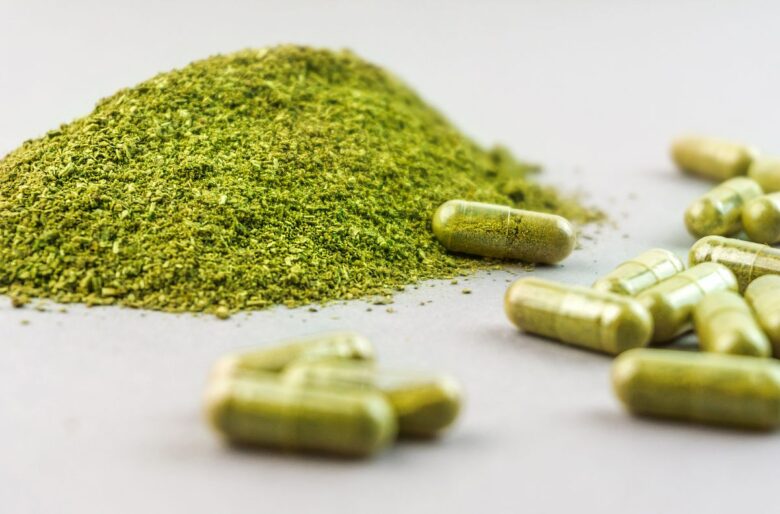
Kratom is an herbal drug. It has been used for centuries to treat pain and anxiety. 7-OH is one of the active compounds in kratom, a plant. It works by activating the body’s opioid receptors. It is different from opioids in that, despite an estimated 500-plus million doses being consumed, there have been zero confirmed overdose deaths caused by 7-OH. Despite this, the FDA wants to classify 7-OH as a Schedule I substance like heroin, cocaine and fentanyl.
This move would criminalize almost all sales, distribution and possession of 7-OH. Cartels would welcome this shift, since it would grant them a new revenue stream. These organizations already make billions producing and selling controlled substances. By banning 7-OH, the government will make these criminal operations even more profitable and violent than they already are.
While not directly regulated by the FDA, buyers of 7-OH can expect a certain level of consistency in their products’ strength and purity. Among lawful manufacturers, competition and fears of lawsuits promote quality and discourage contamination. Various producers of 7-OH regularly conduct third-party lab testing and advertise following Good Manufacturing Practices. In the black market, these consumer safeguards disappear.
Illicit drug makers regularly “cut” their products with various dangerous chemicals, which can increase the likelihood and severity of overdoses. This leaves consumers in the dark and in a position where every dose can turn into a death sentence.
Robert F. Kennedy Jr., the secretary of Health and Human Services, has hailed moving toward banning 7-OH as “a critical step in the fight against opioid addiction.”
It might be a step in the wrong direction. There is mounting evidence suggesting kratom might assist people with opioid use disorder in overcoming withdrawal symptoms and help them cut down on opioid use altogether. Making 7-OH illegal would hinder further research on the benefits and potential uses of kratom and all its derivatives.
In the press release by the FDA announcing the push toward scheduling 7-OH, FDA Commissioner Marty Makary states: “We need regulation and public education to prevent another wave of the opioid epidemic.” Banning 7-OH is the opposite. Instead of regulating, it will criminalize. Instead of educating, it will stifle research, hindering our understanding of kratom.
For years, scientists studying the effects of psychedelics have denounced how the government’s ban on hallucinogens imposes tremendous barriers on their research. By banning 7-OH, the government might be making the same mistake.
Instead of opening another front in the war on drugs, which we have lost — badly and definitively — and at the cost of countless lives, the administration should eliminate barriers and red tape hindering overdose prevention and addiction recovery efforts.
Federal regulations like the “crack house statute” in the Controlled Substances Act make it technically illegal to open and operate overdose prevention centers. Other federal regulations restrict the use of evidence-based treatments for opioid use disorder, like methadone and buprenorphine. Meanwhile, the FDA limits access to medicines reversing opioid overdoses by enforcing arbitrary prescription requirements.
Making 7-OH illegal won’t take it off the market, and it won’t solve the opioid epidemic. It will make things worse. If the administration is trying to “Make America Healthy Again,” it should begin by adhering to the medical maxim: “First, do no Harm.”