
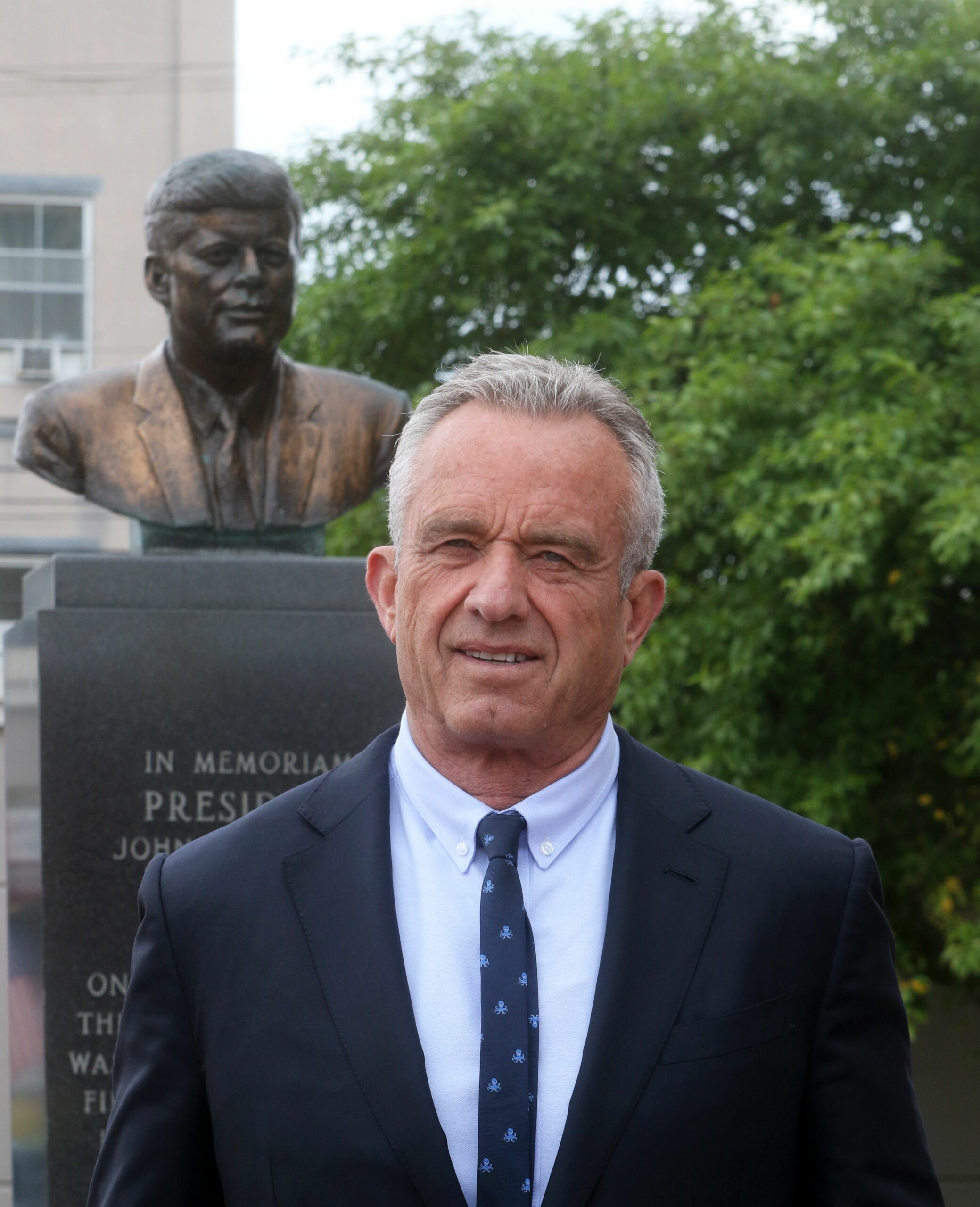
“There are people in every time and every land who want to stop history in its tracks,” said Robert F. Kennedy in 1964. Those words resonate today with Robert F. Kennedy Jr., who was confirmed as the secretary of Health and Human Services.
Regarding agriculture policy, most people think of the Agriculture Department or the Environmental Protection Agency, but the HHS plays a pivotal role. From shaping food safety standards and nutrition guidelines to regulating biotechnology, HHS decisions are vital to meeting the needs of farmers, feeding consumers and protecting the environment. I’m eager to see how RFK Jr. will approach the modern challenges of agriculture. Here are three things RFK Jr. should know as he steps into his new role.
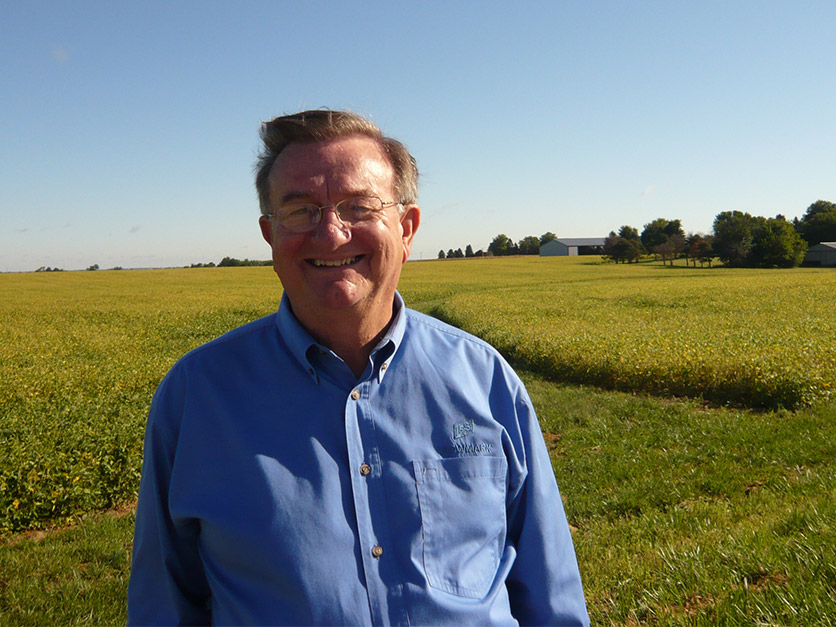
First, agriculture’s progress has been built on science, not nostalgia. My father was an organic farmer — not by choice but because that’s how farming was done in his day. Back then, yields were modest, tools were limited, and the work was grueling.
Modern agriculture has transformed all of that. With advancements in biotechnology, I’ve seen how genetically modified organisms have revolutionized food production. For instance, genetically modified Bt-corn allows me to grow more with less: fewer insecticides, healthier soil and higher yields. Today, my fields produce 225 bushels of corn per acre — far beyond the 150 my father would have considered a banner year. This progress has enabled farmers to conserve land, protect biodiversity and meet the demands of a growing population. Let’s not romanticize a “comfortable past” that never really existed. Instead, we must look forward with science as our guide.
Second, maintaining cooperation between government agencies is essential for innovation. It takes $115 million to bring a new biotechnology-derived trait to market. The approval process hinges on the collaboration of the Food and Drug Administration, EPA and USDA, which share oversight of agricultural products. If that coordination erodes, it risks delaying the approval of new technologies, leaving farmers without tools to improve productivity and sustainability.
Technologies like CRISPR, which enable precise genetic editing, hold enormous potential for addressing challenges like crop diseases and variable weather conditions. These innovations benefit farmers and consumers only if government regulations keep pace. RFK Jr. has an opportunity to champion policies that streamline this process, ensuring that farmers have timely access to the tools they need to adapt and thrive.
Third, science-based decision-making must remain at the heart of agricultural policy. Farmers succeed when policymakers focus on evidence, not ideology. Genetically modified organisms have been studied extensively and repeatedly proven safe. Yet, detractors continue to cast doubt, often based on misinformation. A risk-based regulatory framework ensures that decisions are grounded in science, not personal biases. As the head of HHS, RFK Jr. will significantly influence food and health systems. He must reinforce trust in scientific research and promote innovation that benefits agriculture and public health.
RFK Jr.’s admiration for organic farming is understandable — organic practices have their place in meeting consumer demand — but it’s not a solution for feeding the world. Organic farming alone cannot deliver the yields or efficiency required to sustain our population, nor can it achieve environmental benefits made possible by other technologies. Modern agriculture, emphasizing precision and science, is the key to producing more food with fewer resources while doing so sustainably.
RFK Jr. can honor his father’s legacy by embracing progress rather than fearing it. Agriculture needs a forward-thinking advocate in government who understands the value of technology, the importance of agency collaboration, and the necessity of science-based decisions.
My message to RFK Jr. is simple: Support policies that empower farmers to use the best tools available, reduce bureaucratic delays and promote innovation. Please work with the USDA, EPA and FDA to ensure that regulatory frameworks foster progress, not hinder it. Listen to those who work the land and feed the nation.
As HHS secretary, RFK Jr. will shape the future of American agriculture — and, by extension, the future of food security and environmental sustainability. I urge him to seize this opportunity to champion a vision of agriculture that is as ambitious as it is grounded in science. The path forward lies not in stopping history but in continuing to make it.