
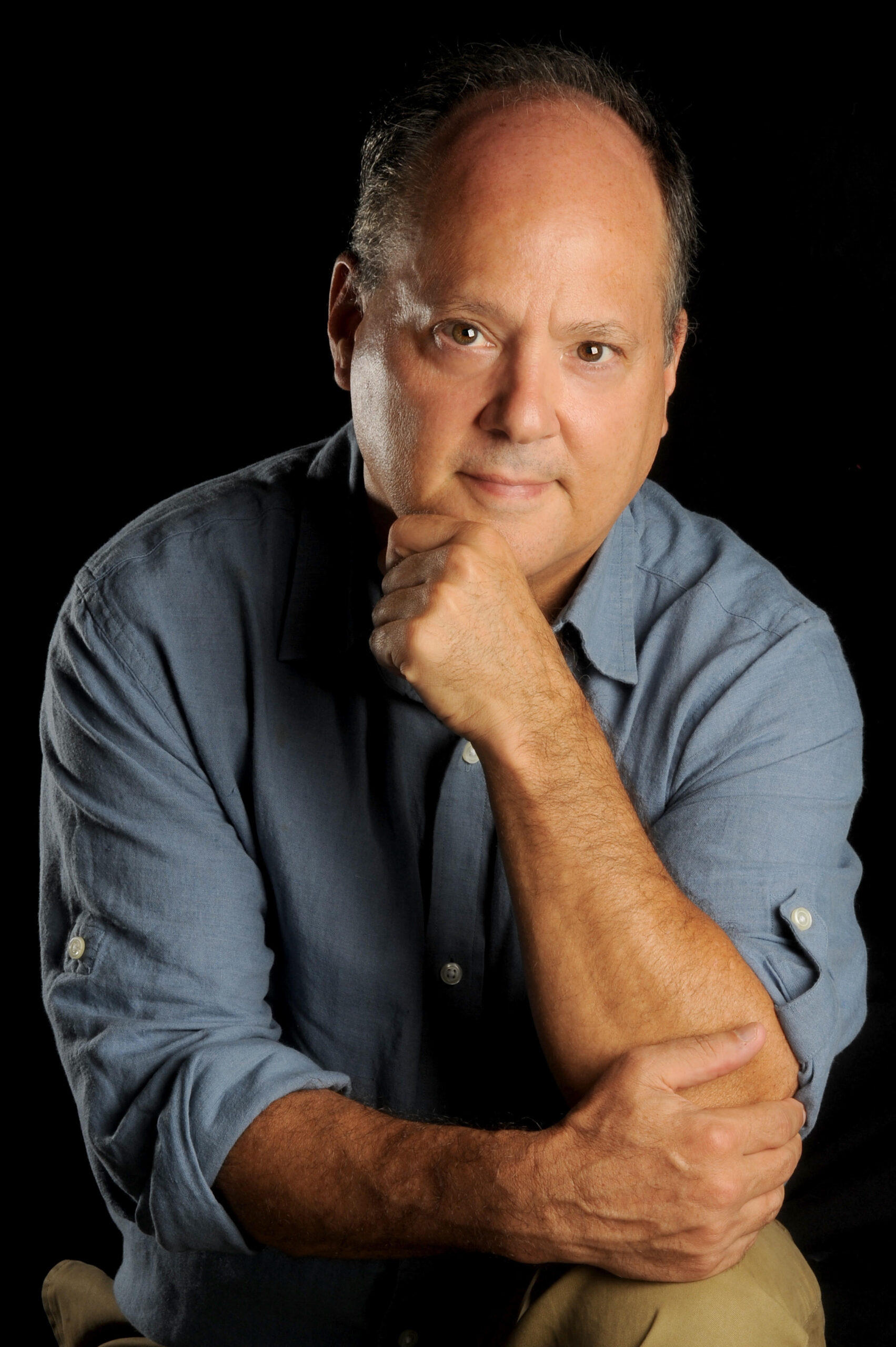

This year marks the fifth holiday season without my cousin’s son, Henry. He died of suicide at 27, after years battling bipolar disorder — replete with depression, manic events and psychosis. His father — Tripp Friedler — has written a book titled “The Tunnel” about that journey. Many families will enter the holidays carrying similar invisible burdens.
The holidays can magnify joy and isolation. They ask us to be festive even when the weight many carry feels too heavy to share. For families facing mental illness, that pressure can be unbearable. Tripp told me that the first step is to see someone who is struggling and to embrace them, not judge them.
“In the Christmas spirit, remember it’s someone’s child. Don’t look away,” he said.
Henry showed signs of depression at 14, but like many families, the Friedlers hoped he would grow out of it. People knew fragments, but never the full story — stigma silenced the rest. No parent feels judged when their child has cancer. Mental illness is different. In those early years, the family suffered in near solitude. Life outside went on as usual, but at home, Tripp and his wife, Heidi, bore the burden together — and alone — as they faced each day filled with fear, uncertainty and heartbreak.
By age 20, the family could no longer hide Henry’s illness. Bipolar disorder came in unpredictable waves: lucid periods punctuated by manic episodes lasting days.
Once, during a breakdown in New Orleans, Henry called his father from atop the Mississippi River Bridge — 10 stories above the cold, muddy water, terrified and crying, with cars rushing past. That moment triggered years of spiraling trials, hospitalizations and the aching uncertainty of never knowing whether the next phone call would bring comfort or catastrophe.
One of the most heartbreaking experiences Tripp shared was a scene that unfolded on an ordinary weekday. He was leaving his office when he spotted his son on the street — disheveled, disoriented and clearly in the throes of another episode. Tripp followed from a distance. Henry wandered into a grocery store, a place where he felt safe and connected to an ideal of health and purity he longed for. The store’s security guard saw something different: a threat, someone who might scare customers. He escorted Henry out, oblivious to the fact that this was someone’s child. That moment crystallized the family’s loneliness. To them, Henry was a son and brother. To others, he was a problem and a security risk.
When Henry died, it came as a surprise. Tripp said his son had seemed calmer and happier in the days before his death — what some describe as a final moment of peace.
“I didn’t suspect what was to come,” he said. When the police arrived at their home, he understood instantly. “I just knew. Your whole world caves in.”
Trying to make sense of a suicide is its own kind of torment. “It’s a fool’s errand to try to figure out why someone kills themselves,” Tripp said.
You revisit every moment, every decision, every missed sign, searching for a logic that doesn’t exist. And yet, it still wasn’t enough, no matter how much love or effort surrounds a kid in crisis.
What makes this story even more painful is that Henry was the second child Tripp and Heidi lost. Their first son, Ian, died of sudden infant death syndrome. Tripp told me that the grief of losing one son does not prepare you for losing another.
“I crawled out of one hole,” he said. “But I crawled back into another hole when Henry died.”
Yet, he also said that experiencing the first death helps him believe he will eventually survive the second.
Tripp wrote his book not to relive the pain but to release it. He describes it as an act of catharsis — a way to share Henry’s story so that other families might feel less alone. And maybe that’s the message we need most during this season.
Because behind every statistic is a person who was deeply loved, and the least we can do is refuse to look away.