

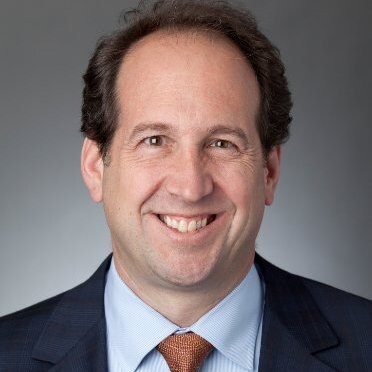
After years of intellectual property (IP) Biden-era disappointments, there’s finally hope on the horizon for American inventors and innovators. Recently, President Trump nominated attorney John Squires to serve as Director of the United States Patent and Trademark Office (USPTO).
Squires is known for his strong record in defending IP rights and can be counted on to defend the rights of patent and trademark holders. While Squires has raised eyebrows in the IP policy world for his strong denouncements of “patent trolls” lodging “predatory patent assertions,” his confirmation will ensure that innovation is encouraged and protected by the Trump administration. Lawmakers should swiftly confirm Squires and maintain America’s role as a global IP leader.
It’s been a rough few years for IP policy. Under President Biden, appointees searched for ways to seize patents in the name of “access” and “affordability.” For example, bureaucrats pushed for using “march-in rights” under the Bayh-Doyle Act to take over pharmaceutical patents if producers didn’t cater to unreasonable pricing demands. Given the $2 billion average cost in bringing medications to market, shaking down producers on price is a recipe for less innovation and fewer drugs entering the research and development pipeline.
On his way out of office, President Biden did the unthinkable and snuck these foolish patent policies into National Institutes of Health (NIH) guidelines. This obscure last-minute guidance dictated that producers seeking to commercialize patented discoveries from NIH labs must ensure their products’ “affordability, availability, acceptability, and sustainability.” In other words, the government can render patents useless if it has any issues with the producers’ commercialization plans.
Unfortunately, President Biden didn’t stop there. His administration also made it more difficult for owners of “standard-essential patents” — covering technology related to international compliance with technical standards (e.g., USB, LTE, Wi-Fi) — to protect their inventions through court injunctions. The less recourse that innovators have to protect their ideas, the less likely they are to keep churning out game-changing products.
John Squires appears to understand this basic truth. As far back as 2007, Squires praised the transformative role that patents have played in financial sector innovation and championed a broad view of patent eligibility. He’s dealt closely with IP assets during corporate sales, led litigation in a variety of IP matters, and testified before Congress on patent reform. Perhaps most importantly, Squires has spent a great deal of time contemplating how IP applies to a range of cutting-edge technologies, including artificial intelligence (AI), blockchain, and fintech/regtech.
Not all of Squires’ IP views are encouraging. He does seem to believe that over-patenting is a serious problem and so-called “patent trolls” are abusing IP rights by holding onto far too many patents.
Yet, for all the consternation around “patent trolling,” there is little evidence that it is a widespread problem. In 2014, the New York Attorney General investigated a company called MPHJ Technology Investments, LLC, which supposedly attempted to extract patent-related payments from hundreds of small and medium-sized New York businesses. Prominent inventor advocate Paul Morinville notes, “the NY AG conducted a nationwide search for nefarious demand letters [issued by MPHJ] that would lead them to more patent trolls. After several months of investigation, the NY AG found six examples of nefarious demand letters in a multi-month nationwide search. That’s right – six – only six. Yet the patent troll remained the narrative driving the passage of [anti-patent legislation] …”
Molly Metz, a former five-time world jump rope champion and sporting manufacturer, has catalogued her efforts to try and find a definitive list of patent trolls but has repeatedly come up short in her attempts. According to Metz, the response by even the most seasoned subject matter experts has been, “No one has ever asked for this information before; I am not sure if we have it. I will have to get back to you.”
Hopefully, Squires minimizes this misguided focus on “patent trolls” and keeps his eyes on the prize of strengthening IP. There is little doubt he will make an excellent USPTO Director and keep America innovating.