
President Trump has strengthened America’s national security and made the world a safer place. Our borders are secure, our military is strong, and conflicts and chaos around the world continue to diminish. However, we must do everything we can to protect and defend one of America’s most important and distinctive strengths: our capacity for innovation.
Innovation is defense. Every discovery made in an American lab and every technological leap forward made within our borders strengthens the economy and increases our global dominance. Simply put, when America leads in innovation, the world is safer.
Nowhere is this clearer than in fields such as the military, artificial intelligence, and, critically, biotechnology, where American ingenuity forms the backbone of security and resilience. Vaccines, therapeutics, and medical countermeasures don’t just protect public health, they help prepare us for the next pandemic and guard against biological threats. Unfortunately, Washington is in danger of weakening America’s ability to lead in this field.
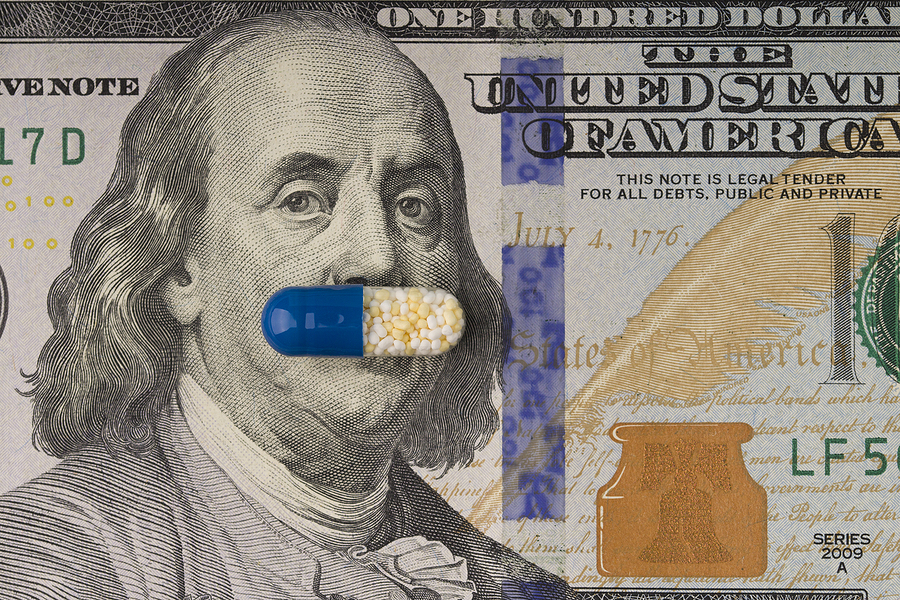
A recent push for “Most Favored Nation” drug pricing, which would tie what Americans pay for medicines to prices set by foreign governments, has been sold as a way to lower healthcare costs. In practice, it would import the same government overreach that has crippled Europe’s economy for decades, and would effectively cause America to surrender its leadership in biotechnology.
The fact remains that when governments dictate drug prices and bureaucracies in countries with nationalized health systems decide which medicines to approve and how much they’re worth, scientific discoveries slow. The result is a shrinking research pipeline and a business climate that drives talent and capital elsewhere.
In the United Kingdom, for example, the National Health Service’s price caps and access restrictions have prompted AstraZeneca to cancel a $600 million expansion in Liverpool, pushed Merck to scrap a $1.3 billion research hub in London, and driven Sanofi to freeze new investment until there are “tangible improvements in the current commercial environment.”
If the United States follows Europe’s path, similar consequences are sure to follow. Patients will lose new medicines, innovation and investment will stall, and our country will lose its technological edge in the next great strategic race, right as the Chinese Communist Party steps on the gas pedal.
Since Beijing declared biotechnology a “strategic emerging industry” a decade ago, the market value of Chinese biotech firms has surged. China is now outpacing the United States in listed clinical trials, and the country produces the majority of the world’s highly cited research in synthetic biology. Its aggressive investment in biopharmaceutical research means that imposing MFN price controls would not only weaken our capabilities but also hand China a strategic advantage at a time when global competition is accelerating.
Should we be faced with another pandemic, depending on Chinese supply chains for vaccines, antivirals or key ingredients would make the United States dangerously vulnerable. As the Biotechnology Innovation Organization warns, importing foreign price controls “will only serve to empower China and our other adversaries and undermine our economic and national security.”
That is why preserving America’s ability to innovate and refusing to outsource our pricing decisions to other countries is essential to protecting the nation.
America’s leadership in biotechnology, like so many other facets of our economy, is no accident. It’s the product of a system that rewards risk-taking and competition. The free market, not central planning, fosters the innovation that drives Americans to pioneer cures for cancer and rare diseases.
There are smarter ways to reduce Americans’ healthcare costs without sacrificing innovation or security. We can foster competition by streamlining processes to lower the cost of drug development and by pressing our allies to pay their fair share for U.S.-developed medicines. These steps would not only ease the burden on patients but also reinforce the strategic advantages that safeguard America’s health and security.
The lesson from across the Atlantic and the warning from across the Pacific is clear: When free nations stop innovating, authoritarian ones fill the void. While our adversaries grow their biopharmaceutical industries, MFN would punish ours. If Washington wants to protect patients and keep Americans safe, it must reject importing European price controls and instead double down on the innovation that has always set us apart, and above, the rest.