

The recent government shutdown offered a stark lesson in resilience — or the lack of it. Essential transportation sectors dependent on federal employees slowed to a crawl. Air travelers faced long delays as TSA officers and air traffic controllers called in sick. Pipeline inspections, port clearances, and safety monitoring are paused or operated under strain. In short, the risk profile rose immediately.
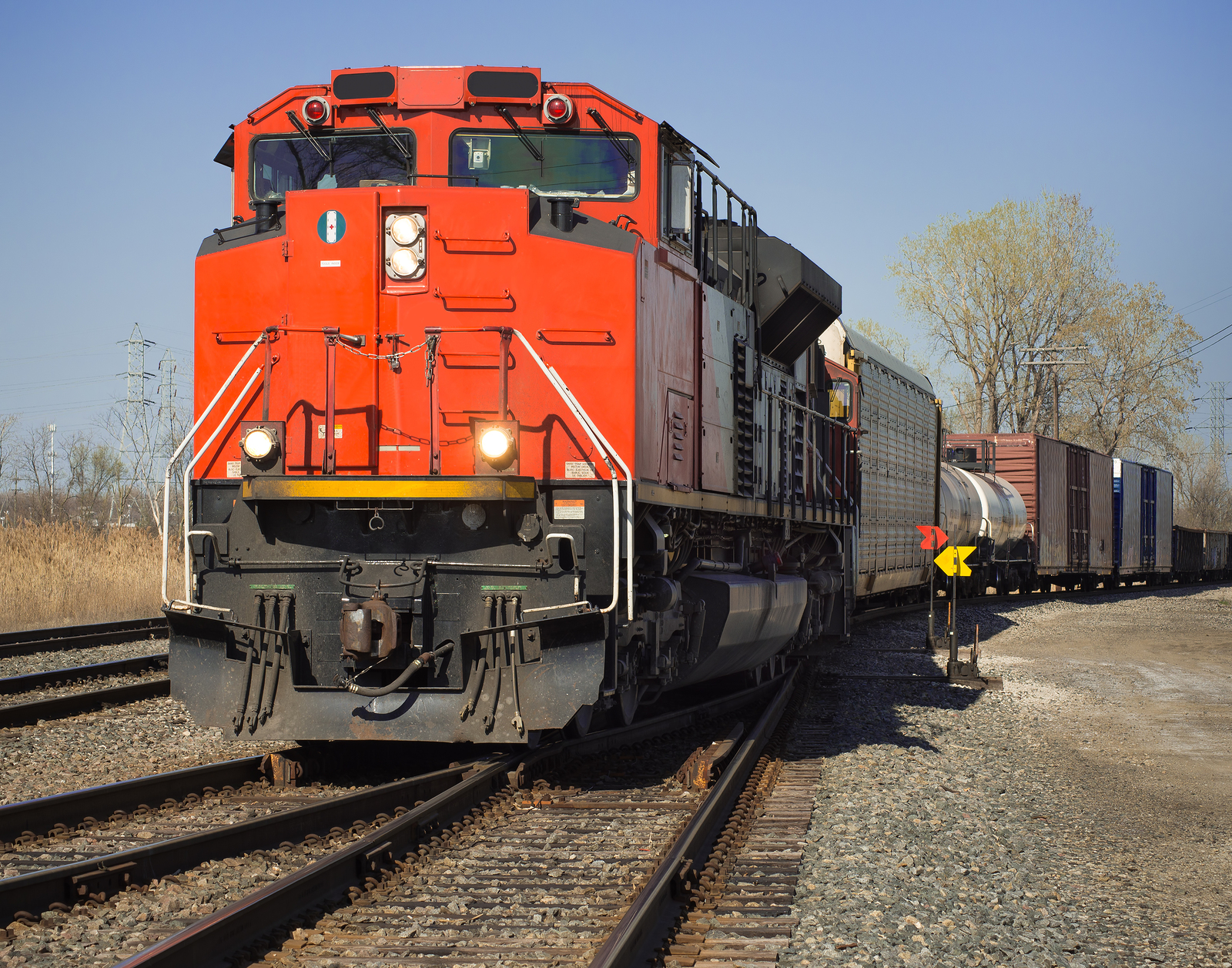
Meanwhile, privately owned freight rail continued to operate. Trains moved. Supply chains remained fluid. Freight customers saw little disruption. This was no stroke of luck — it was the product of private capital, disciplined management and performance incentives aligned toward reliability, regardless of political drama.
The lesson is simple: When operations depend on government staffing and appropriations, fragility grows. When operations depend on the private sector, resilience grows.
During the shutdown, TSA absenteeism surged. Air traffic controllers, legally barred from striking, nonetheless reached fatigue limits that forced reduced capacity. These are critical functions, yet the structure ensures vulnerability every time Congress fails to fund the government. Americans have grown accustomed to accepting this fragility as normal.
Contrast that with freight rail. Even under political and operational pressure, railroads have invested in automation, predictive maintenance, distributed power, and network optimization. They have consistently delivered more with fewer workers while improving safety. Federal regulators, however, attempt to freeze this progress with outdated mandates — such as the two-person crew requirement — despite technology making single-operator freight trains safe and viable. A federal takeover or expanded micromanagement would calcify outdated practices and slow safety innovation.
The administrators of the rail-regulating alphabet soup — STB, FRA, FTA and others — were not necessarily on the job during the shutdown, yet the trains kept running without federal oversight.
This resilience is not hypothetical. During the COVID‑19 pandemic, private freight rail networks continued to make deliveries despite the immense challenges posed by the virus. This continued for a long period of economic slowdown, significantly longer than the recent government closure. Rather than exploiting the crisis, rail companies carried essential goods — chemicals for medicine, food packaging, disinfectants, energy supplies and more — demonstrating that market incentives can produce socially valuable outcomes without heavy-handed, pre‑emptive regulation.
We are not out of the woods. A government shutdown could return as early as January. A closely divided Congress and continuing brinkmanship make this more than a theoretical risk. This is not a free-market fantasy; it is a structural reality. Americans serious about transportation and commerce cannot afford to let essential infrastructure remain at the mercy of political gamesmanship.
The solution is clear: Essential transportation functions should move out of federal operational control and into private or independent structures that insulate them from political volatility. Modern security screening can be contracted. Air traffic control can be shifted to nonprofit, independent models, as successful examples abroad demonstrate. Freight rail should be allowed to modernize crew requirements and embrace technology, rather than remain trapped under regulatory tradition.
The recent shutdown exposed a fundamental truth: Resilient systems endure when politics fails. Government-run operations faltered; privately managed freight rail thrived. If America wants transportation networks that work under pressure, the path is not expanding federal control. It is freeing them from it.