
Washington often talks about lowering healthcare costs but ignores one of the simplest ways to do it: addressing the problem of obesity seriously. With the right tools, millions of Americans could improve their health, improving their lives and productivity while saving taxpayers billions. Yet, the government refuses to cover proven obesity treatments.
The government shutdown, in which healthcare coverage is a point of contention, is another missed opportunity to implement reforms that would benefit Americans and address costs.
Most of us can relate to wanting to drop a few pounds. However, for millions, lowering their weight is far more than a cosmetic goal. Obesity increases the risk of heart disease, stroke, cancer, diabetes and other chronic illnesses. By restricting access to safe and effective medical treatments like GLP-1s, policymakers are failing both patients who want to lead healthier lives and taxpayers who often end up shouldering the costs of preventable disease.
According to the Centers for Disease Control and Prevention, obesity costs the U.S. healthcare system nearly $173 billion annually through the treatment of related conditions. The Centers for Medicare and Medicaid Services does not cover weight-loss drugs under federal health programs. That means more than 66 million Americans on Medicare and 70 million on Medicaid effectively cannot access these FDA-approved therapies.
With more than 100 million adults living with obesity, continuing to deny access to these treatments is short-sighted and expensive.
The Trump administration has made addressing chronic disease a core part of its campaign to “Make America Healthy Again.” Tackling obesity — one of the nation’s top five chronic diseases — should be central to that mission.
Uncontrolled obesity not only affects individual health but also raises healthcare costs, reduces workforce participation, and strains public budgets.
The stakes are exceptionally high for underserved communities. For example, nearly half of Hispanic adults in the U.S. live with obesity, and rates of Type 2 diabetes are 70 percent higher than among non-Hispanic Whites. These conditions take a heavy toll on families, productivity and small businesses. Expanding access to obesity treatments isn’t about special treatment; it’s about ensuring that Americans in every community can stay healthy and contribute fully to the economy.
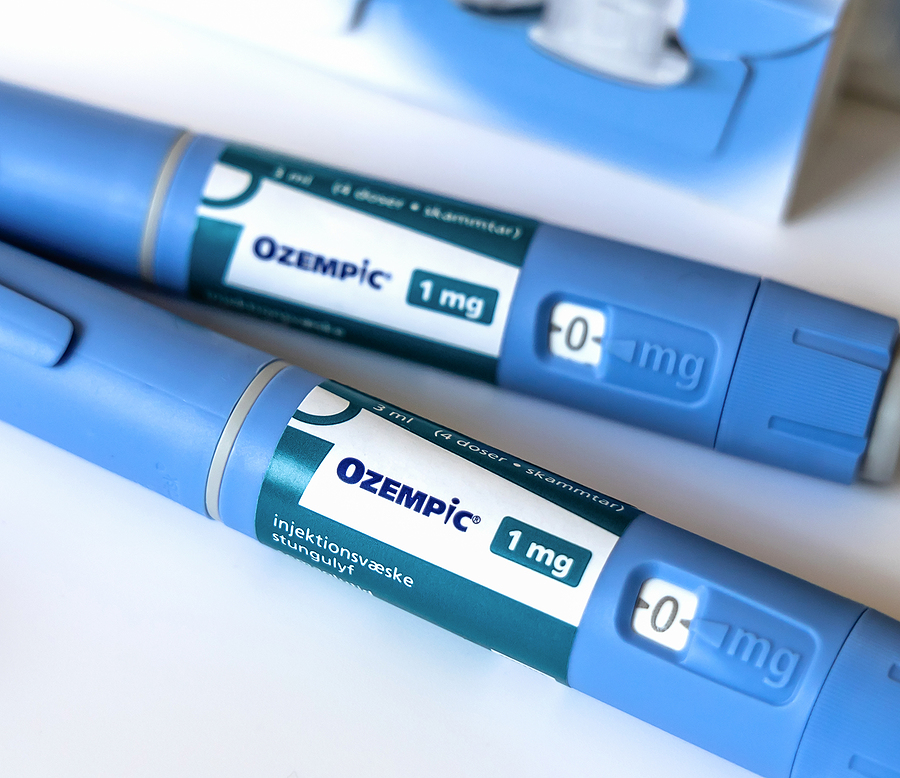
Expanding access to GLP-1s would be a game-changer. These medications, when paired with lifestyle changes like diet and exercise, have been shown to help patients achieve meaningful, sustained weight loss and improve markers such as blood sugar, cholesterol and blood pressure. For seniors and low-income patients with obesity-related conditions, GLP-1s can be the difference between dependence and independence, or even between life and death.
Covering GLP-1s would be a fiscally responsible policy. A 2023 Joint Economic Committee report found that individuals living with obesity face an average of $5,155 in excess medical bills. A follow-up analysis in 2024 projected that obesity will cost the government $9.1 trillion over the next decade if left unaddressed. Giving patients access to evidence-based treatments addresses those costs, saving money for families and taxpayers.
Republicans have promoted personal responsibility and choice in healthcare, but they have also seen the pitfalls of creating new entitlements and growing government. Expanding access to GLP-1s fits squarely within those principles. These medications reinforce personal effort rather than attempting to replace it.
Expanding access to these treatments leverages private-sector innovation to empower doctors and patients to make wise, forward-looking choices that lead to better results at lower long-term cost.
As policymakers debate ways to reduce healthcare spending, expanding access to obesity treatments should be at the top of the list. Every dollar invested in prevention and disease management today can save multiple dollars in emergency and chronic care tomorrow.
America’s healthcare system has the tools to tackle one of our biggest health and fiscal challenges. All that is needed now is the political will to put them to work.