

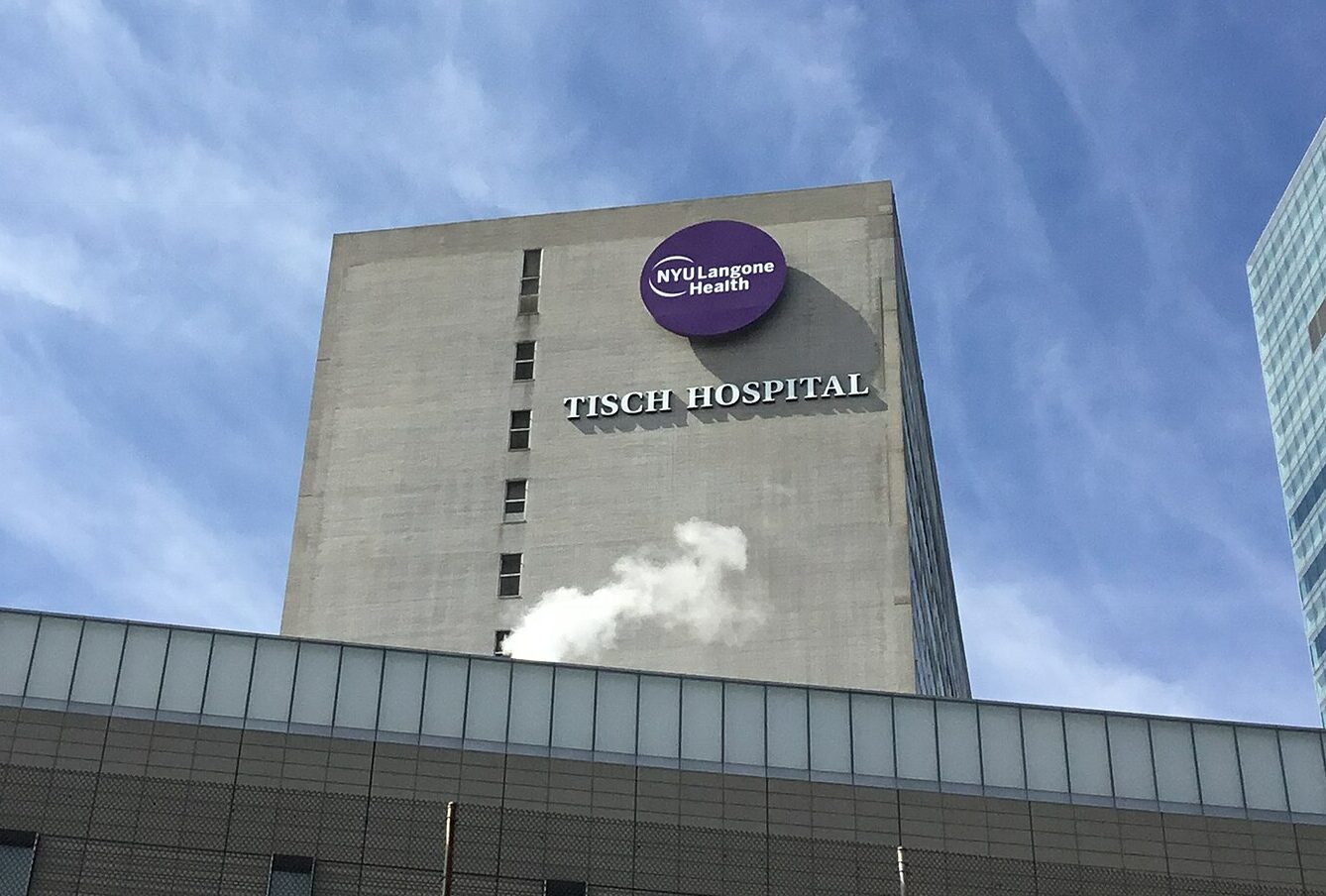
Nonprofit hospitals in New York are contributing to the state’s rising healthcare costs through a combination of aggressive debt collection practices, inflated executive salaries, and a systemic lack of transparency, according to a new report by a healthcare watchdog.
They may be tax-exempt, but nonprofit hospitals hauled in impressive revenues in 2023, the Center for Medicine in the Public Interest (CMPI) noted.
NYU Langone reported more than $1.3 billion in net income, while New York-Presbyterian netted nearly $500 million. At the same time, these institutions have drawn criticism for falling short of their obligations to deliver community benefits in proportion to the value of their tax exemptions—a phenomenon experts describe as a “Fair Share Deficit.”
“In New York City, some of the largest fair share deficit and surplus hospitals are not far from each other,” said the Lown Institute, a Massachusetts-based healthcare think tank. “This indicates a segregated hospital market, in which safety-net hospitals take on a disproportionate share of low-income and uninsured patients.”
The Lown Institute found that wealthy nonprofit hospitals often operate near underfunded safety-net institutions, yet still receive disproportionate funding from the state’s Indigent Care Pool—money intended to support hospitals serving the uninsured.
“Hospitals have remained in the shadows for too long,” said CMPI President Peter Pitts. “The divergence between the mission of nonprofit hospitals and their operations can no longer be ignored. Profits cannot be placed over patient wellbeing, and revenue must not be prioritized over responsibility.”
Among the findings that drew the most interest: generous spending on executive pay and political lobbying.
According to the CMPI report, several nonprofit hospital CEOs in New York earned multimillion-dollar salaries in 2023. Montefiore’s top executive brought in more than $16 million. Others included:
- New York-Presbyterian: $9.2 million
- NYU Langone: $8.8 million
- Memorial Sloan Kettering: $5.4 million
- Mount Sinai Hospital: $2.7 million
Those figures have drawn scrutiny given the nonprofit status of the institutions and their recent workforce decisions. In May 2025, New York-Presbyterian laid off approximately 1,000 employees just days after agreeing to a $750 million settlement related to sexual abuse allegations involving a former doctor.
The report also revealed that hospitals spend heavily on political lobbying and marketing. In 2019, NYU Langone spent $34 million on advertising, while Montefiore and Northwell each spent more than $15 million. Memorial Sloan Kettering spent $9.5 million.
From 2018 to 2022, hospital associations donated nearly $26 million to political action committees at all levels. NYU Langone employees alone contributed over $115,000 to U.S. Senate Majority Leader Chuck Schumer (D-NY). A 2019 report by NPR’s Planet Money found the Greater New York Hospital Association gave more than $1 million to the New York State Democratic Party shortly before lawmakers approved a costly Medicaid reimbursement increase.
Critics also complain of a lack of transparency from the nonprofit hospital sector.
The CMPI report criticized widespread noncompliance with federal hospital price transparency rules. In 2022, 34 of 37 hospitals in New York City and Long Island—including major players like Mount Sinai, Lenox Hill, and Memorial Sloan Kettering—failed to meet transparency standards.
Meanwhile, these nonprofit hospitals have shown little charitable spirit toward patients who struggle to pay for their healthcare. Some hospitals have relentlessly pursued patients through the courts and collections agencies. Between 2015 and 2020, New York hospitals filed more than 53,000 lawsuits to recover medical debt. Albany Medical Center alone issued 851 wage garnishments, and NYU Langone paid $18 million to a collections agency in a single year.
And, critics say, many hospitals have failed to translate the hundreds of millions of dollars they receive in tax-deductible charitable donations into improved care or increased community services. In 2020, Memorial Sloan Kettering, NYU Langone, and Montefiore took in a combined $435 million in donations.
The challenges in New York reflect broader national trends in hospital costs. According to Managed Healthcare Executive, hospital prices have increased more than 250 percent over the past 25 years—far outpacing overall inflation and even healthcare inflation. CMPI attributes much of the increase to a fee-for-service payment model that rewards volume over outcomes. In 2024 alone, the group estimates this approach contributed to $25.7 billion in misaligned spending.
“From hospital mergers to executive and administrative pay to site-based fees, hospitals are increasing costs for Americans without oversight or accountability,” Pitts said. “The current momentum for increased accountability is promising, but there is a desperate need for long-term reform. Patients deserve to know what they are paying for, and to pay based on the service—not the location of care.”